
What Your Clothes Are Made Of and Why It Matters
We have learned to read labels.
We turn over jars to check ingredients. We filter our water. We think about where our food comes from, how it was grown, what it was stored in. We choose clean skincare; heck, we even created our own tallow balm!
And yet, most of us get dressed each morning without asking a similar question.
What, exactly, are we putting on our bodies?
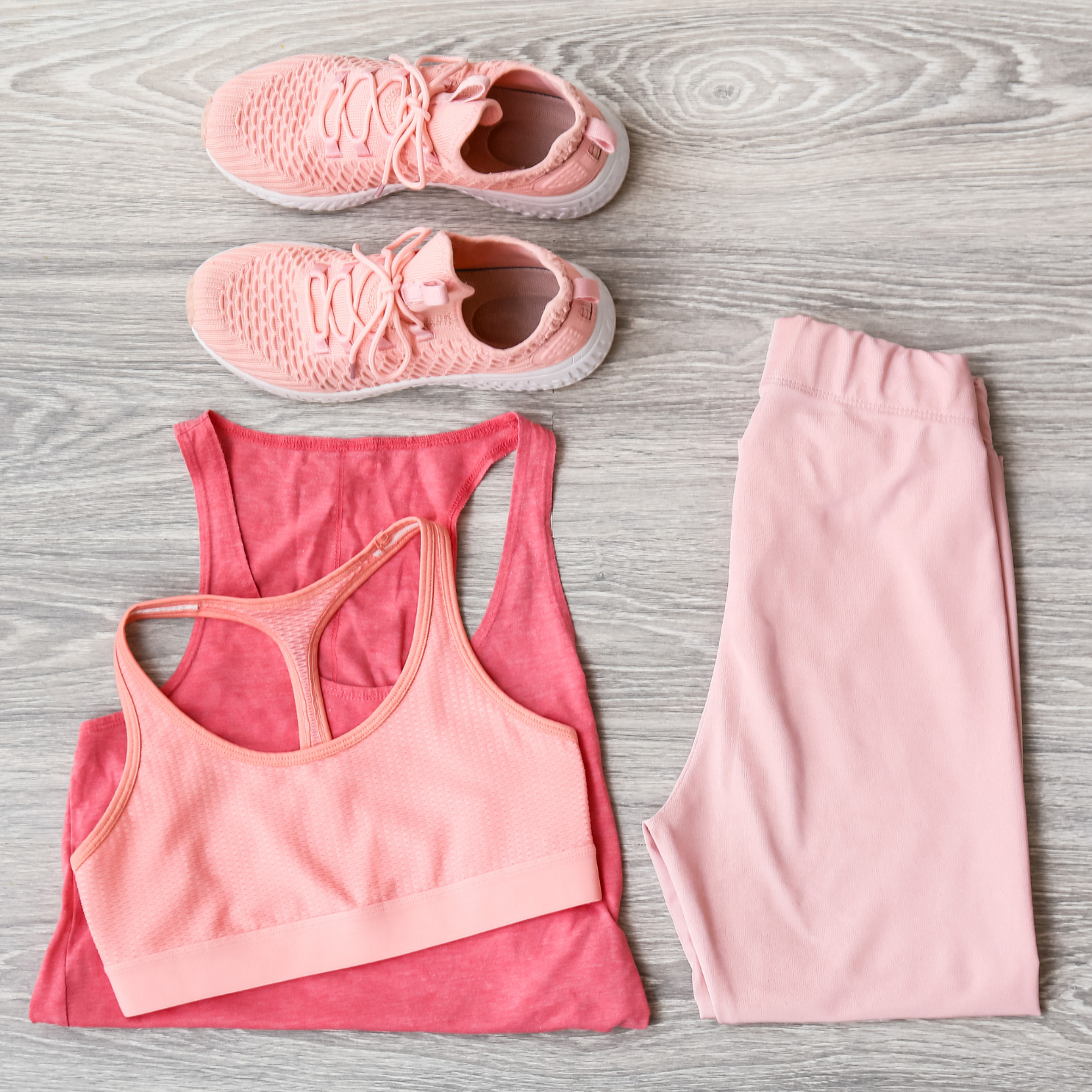
The Hidden Presence of Plastic
A large portion of modern clothing is made from plastic.
It does not always present itself that way. Instead, it appears under softer, more familiar names. Polyester. Nylon. Acrylic. Elastane. Spandex. Fleece. Microfibre.
Different textures, different finishes, but at their core, they are all forms of synthetic polymer. Plastic, reworked into thread.
These materials were designed for durability and convenience. They resist wrinkles. They stretch. They are inexpensive to produce.
But they were never part of the human story.
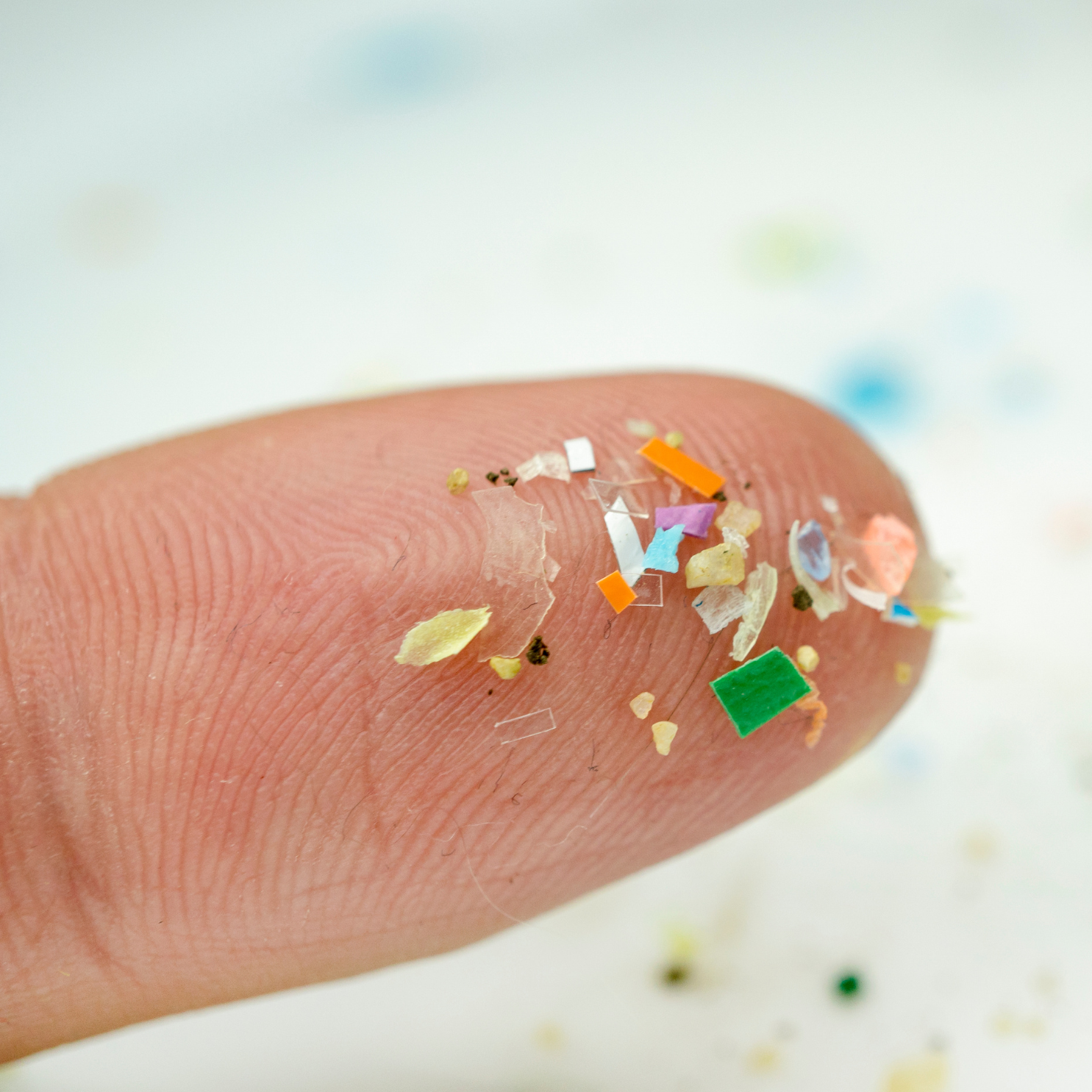
What Happens With Wear
Unlike natural fibres, synthetic materials do not truly break down. They fragment.
With every wear and every wash, these fibres shed. Tiny particles are released from the fabric, onto the skin, into the air and into the water system.
The more a garment is washed, the more it degrades in this way. Fibres loosen, surfaces roughen and microplastics are released both onto the body and into the environment.
We often think about what goes into our bodies, but less about what lingers on them.
What We Wear Close Matters Most
The skin is not a sealed barrier. It breathes, absorbs, regulates.
And some areas of the body are more sensitive than others.
Wearing natural fibres closest to the skin, especially around intimate areas, is a simple shift with meaningful impact. Breathability, moisture regulation and softness are not luxuries. They are functional qualities that support the body’s natural balance.
It is less about perfection and more about awareness.
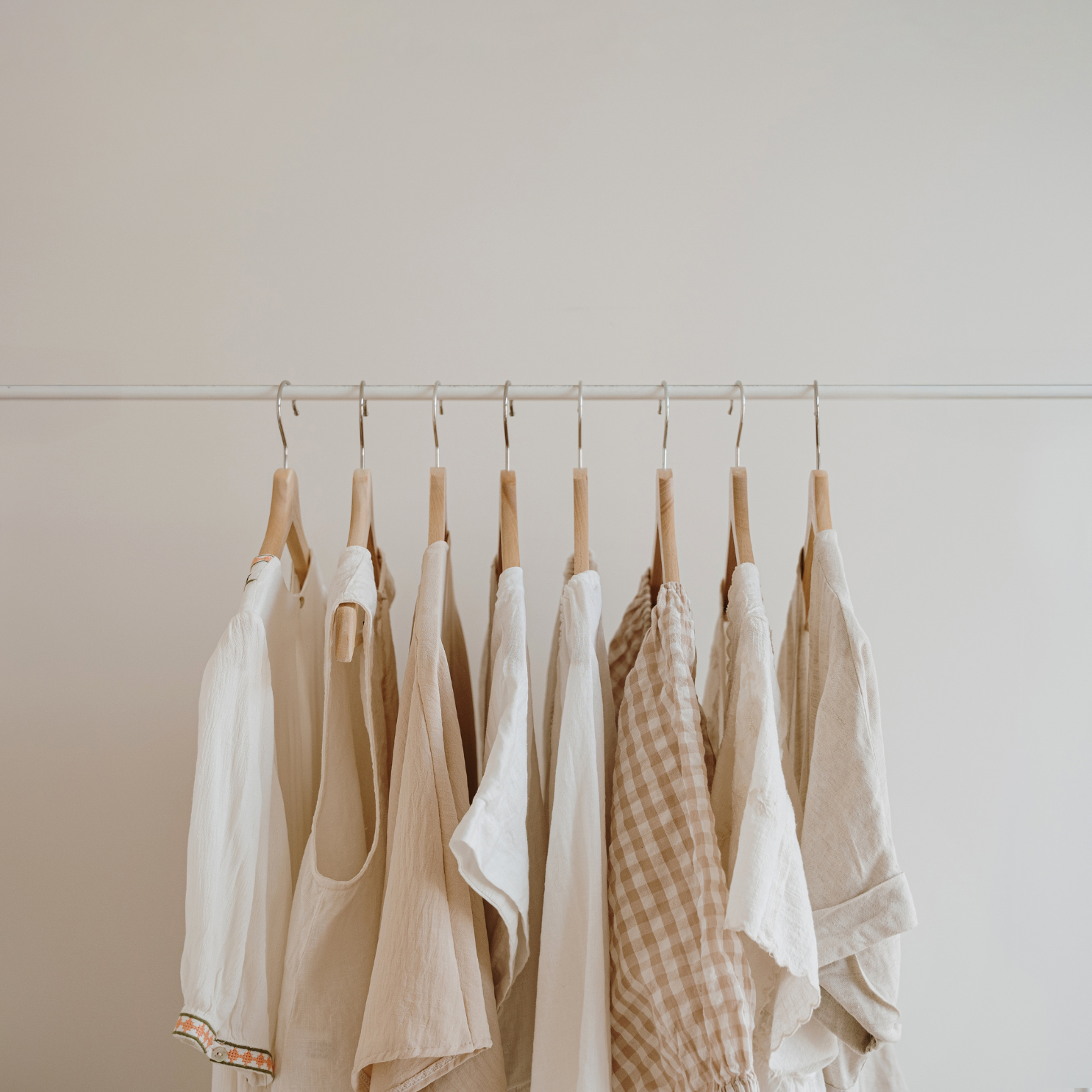
Returning to Natural Fibres
For most of human history, clothing came from the earth.
Cotton. Linen. Wool. Hemp.
Fibres that breathe. Fibres that respond to temperature. Fibres that age, soften and eventually return to the soil.
Choosing natural materials is not about nostalgia. It is about compatibility.
That said, not all natural fibres are created equal.
Modern processing can introduce chemicals through dyeing, finishing and treatment. Residues can remain, even in garments made from otherwise natural sources.
If you are looking to go deeper, seek out fabrics that are as clean as possible. Certifications such as the Global Organic Textile Standard (GOTS) can offer some reassurance that stricter guidelines have been followed from fibre to finish.
A Subtle Shift
This is not about throwing everything away or striving for purity.
It is about beginning to notice.
Reading one more label. Choosing natural where you can. Paying attention to what sits closest to your skin. Replacing as you go, not all at once.
We already know that what we eat and drink matters.
What we wear, quietly, every day, might deserve the same consideration.
