
Gentle Natural Remedies for Spring Allergy Season
As the earth wakes up each spring, many of us welcome longer days, fresh air and budding trees. Yet for others, the season arrives with sneezing, congestion, watery eyes and fatigue.
Long before modern antihistamines, people turned to food, herbs and simple household rituals to support the body through seasonal shifts. While severe allergies always deserve proper medical care, many gentle traditions can still offer comfort today.
Why Spring Allergies Happen
Spring allergies are often triggered by pollen released from trees, grasses and flowers. When the immune system sees these particles as a threat, it responds with histamine, leading to common symptoms like sneezing, itching, runny nose and congestion.
The ancestral approach was not to suppress every symptom, but to strengthen the body’s resilience and reduce daily burden where possible.
1. Local Raw Honey and Pollen
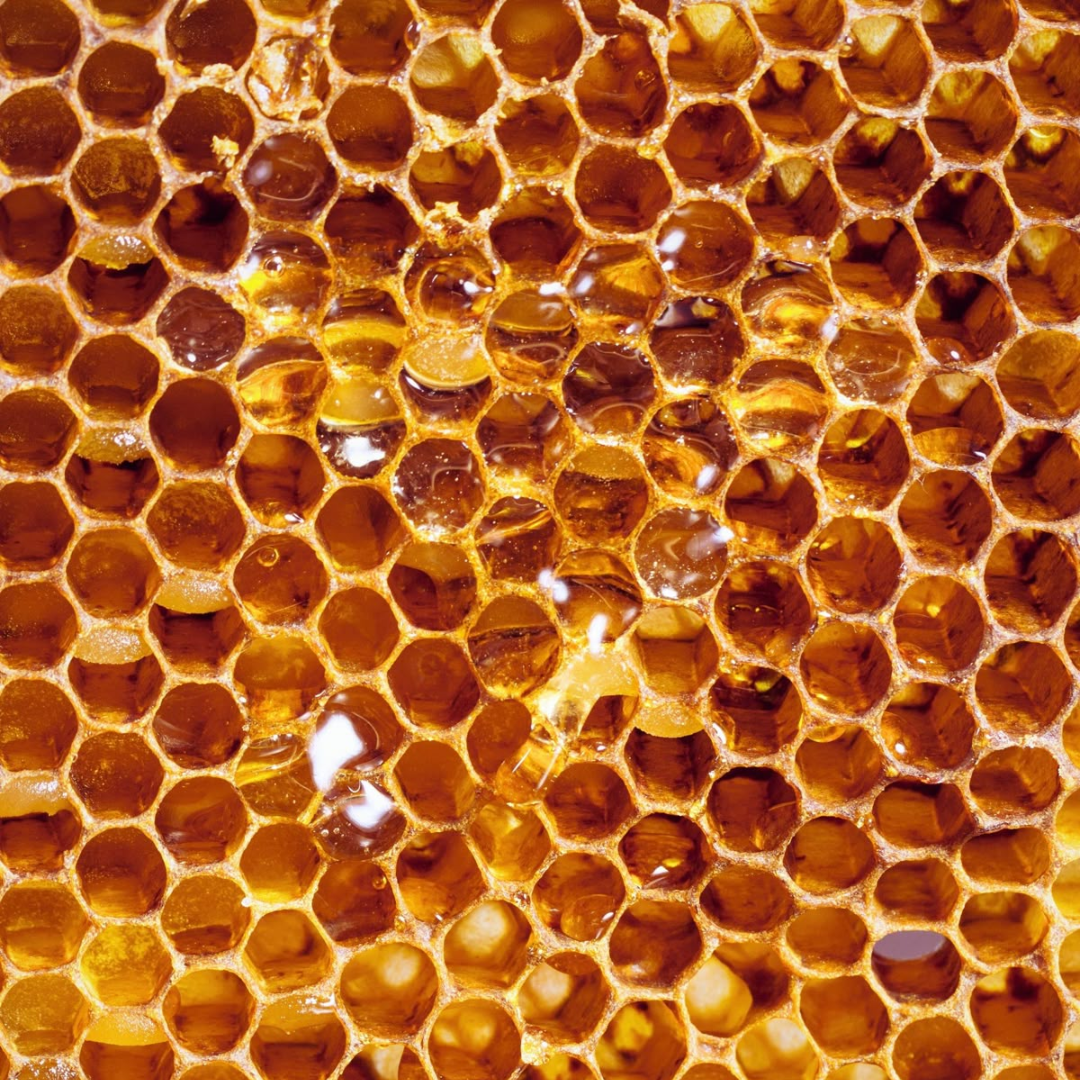
One of the most well known traditional remedies is consuming small amounts of local raw unpasteurized honey.
The idea is simple. Honey made by local bees may contain trace amounts of regional pollen. Gradual exposure may help the body become more familiar with what is in the environment.
Many people enjoy a spoonful daily through spring or stirred into tea. While evidence is mixed, it remains a time honoured seasonal ritual.
Important note: Never give honey to infants under one year old.
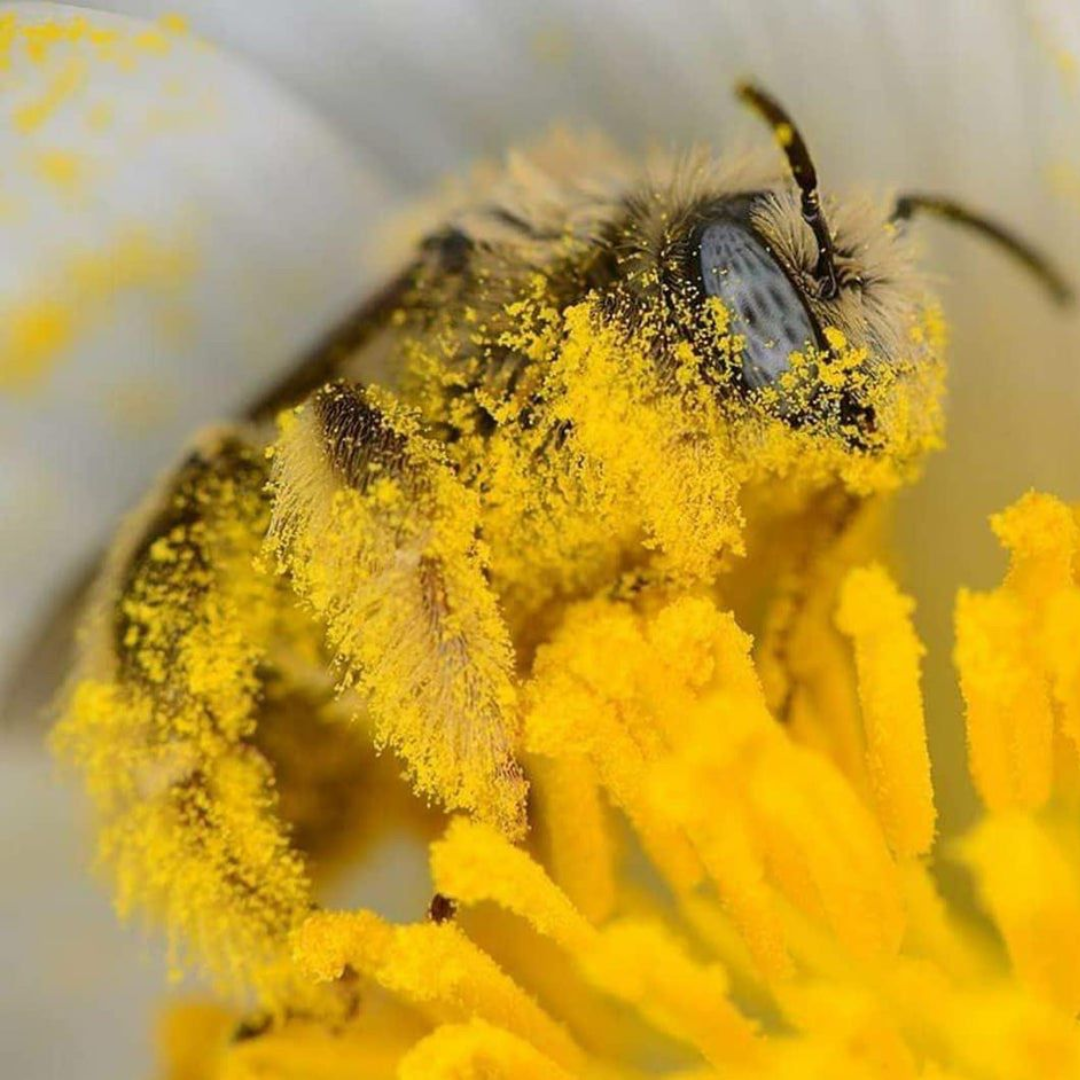
Some also choose to incorporate bee pollen granules in very small amounts during spring. Bee pollen has long been used in natural wellness traditions and may offer trace exposure to seasonal pollens along with nutrients.
If trying bee pollen, begin with a very small amount and increase slowly only if well tolerated.
Those with severe seasonal allergies, asthma, or known bee product sensitivities should avoid bee pollen unless guided by a qualified healthcare practitioner. Stop use immediately if any reaction occurs.
2. Stinging Nettle
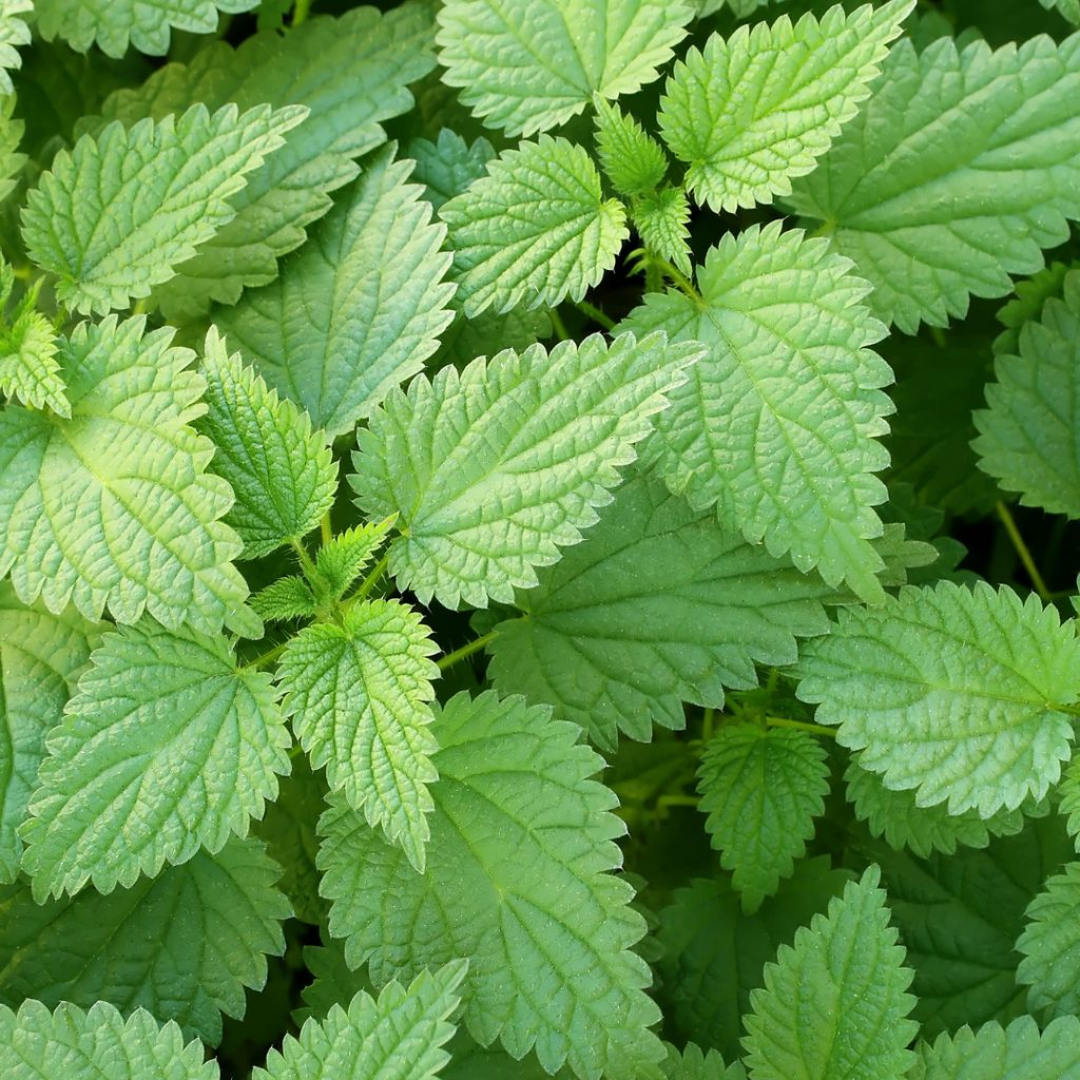
Used for generations in herbal traditions, stinging nettle is often taken as a tea, tincture, or capsule during allergy season.
It may help calm inflammation and act as a gentle natural antihistamine. Nettle is also rich in minerals, making it a supportive herb after a long winter.
3. Quercetin Rich Foods
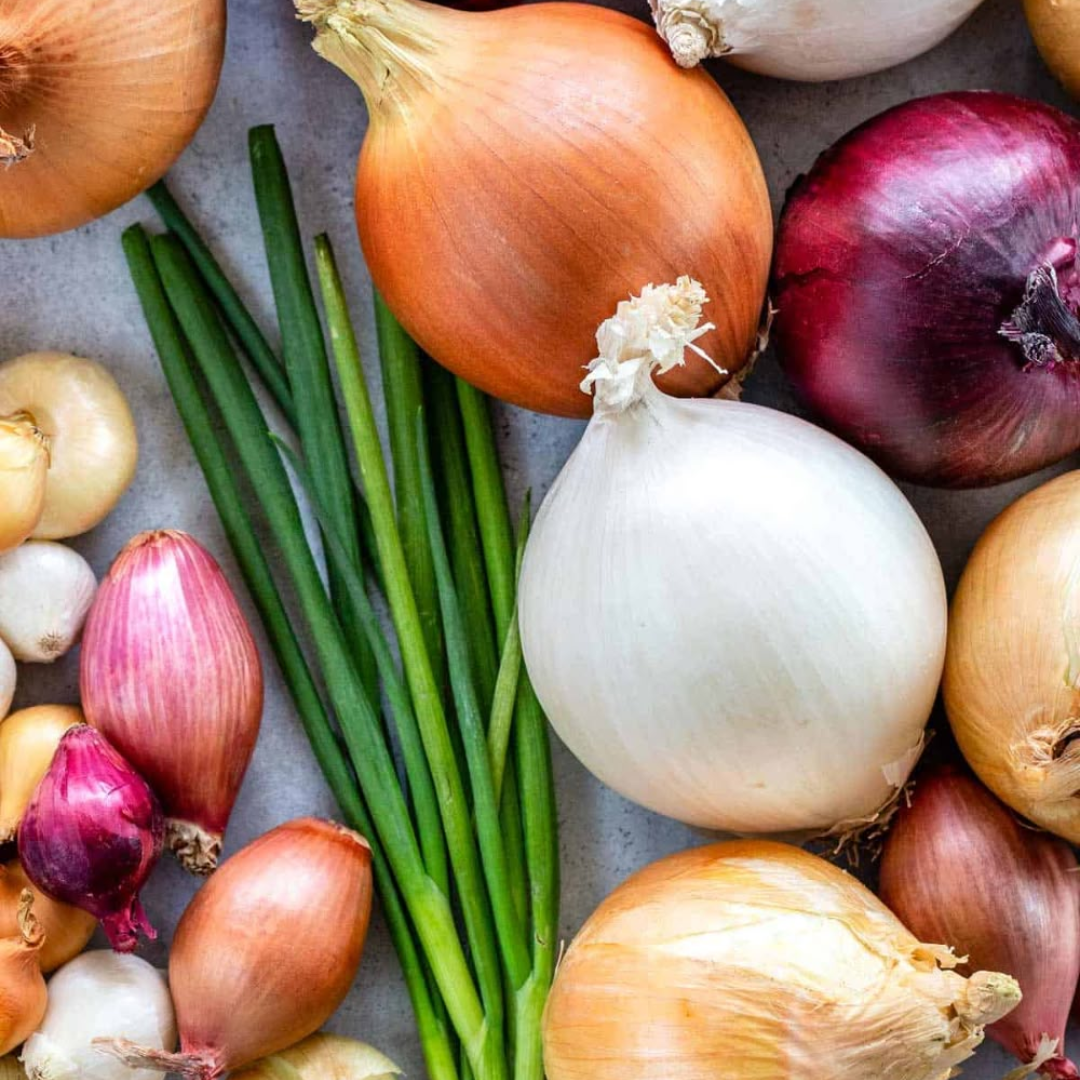
Quercetin is a plant compound found in onions, apples, berries and leafy greens.
It is believed to help stabilize mast cells, the cells involved in releasing histamine. Rather than reaching first for a capsule, ancestral wisdom would begin with food.
Add thinly sliced onions to salads, enjoy stewed apples or keep berries in regular rotation.
4. Vitamin C
Vitamin C supports immune function and may also act as a natural antihistamine.
Traditionally, this meant eating fresh seasonal foods rich in vitamin C whenever available. Today, citrus, kiwi, peppers, berries and quality supplements can all help increase intake.
5. Support the Gut
The old saying that health begins in the gut has more truth than ever.
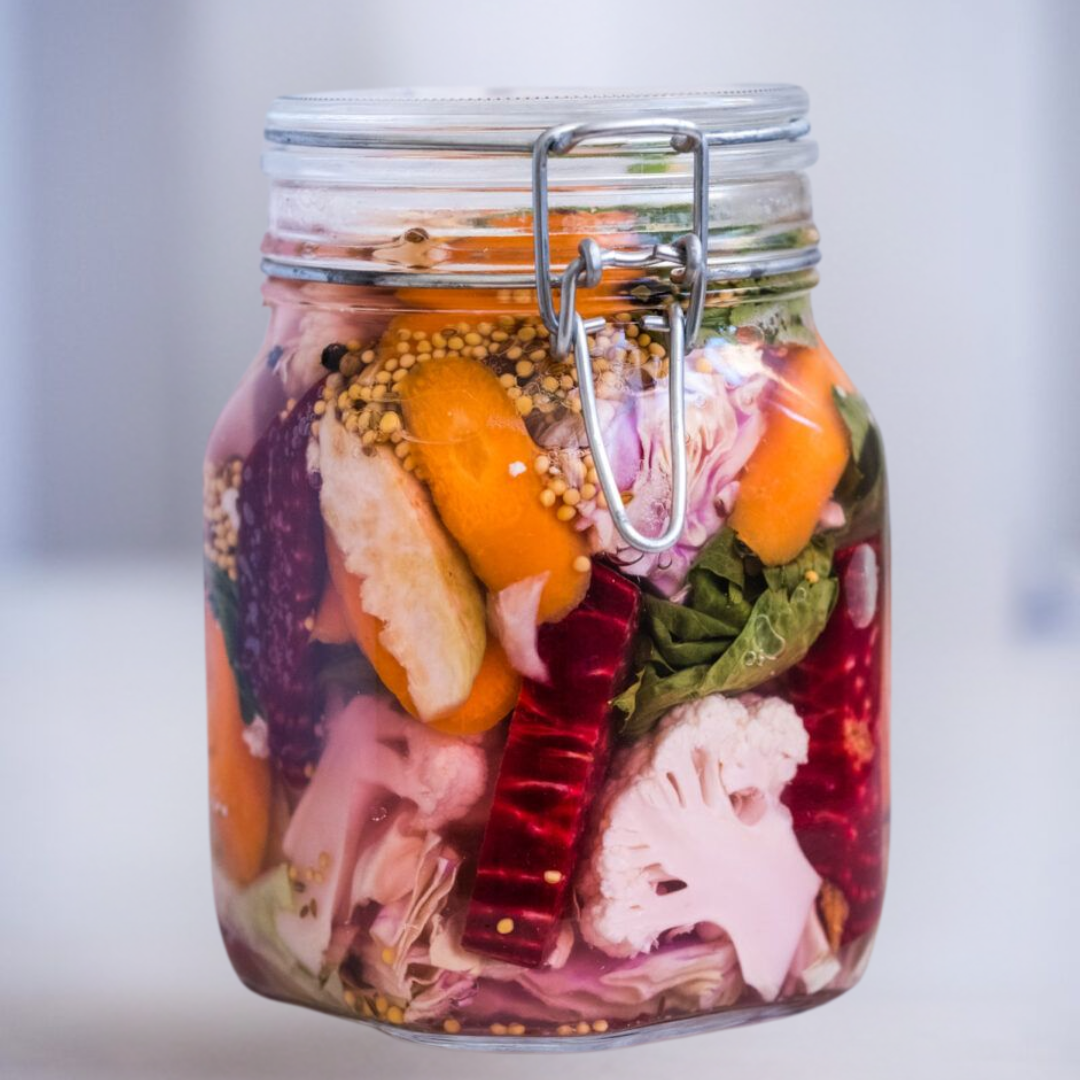
A balanced gut microbiome can influence how the immune system responds to environmental triggers. Fermented foods such as sauerkraut, kefir, yogurt, and cultured vegetables were ancestral staples for this reason.
6. Wash Away the Day
One of the simplest and most effective habits is removing pollen after time outdoors.
When you return home:
Wash your face and hands
Change clothes
Rinse hair or shower
Shower before bed to keep pollen out of bedding
This small ritual can make a surprising difference overnight.
7. Keep the Air Clean Indoors
Fresh air is lovely, but high pollen days can turn the home into a collection point.
Consider:
Keeping windows closed during peak pollen times
Using a HEPA filter in the bedroom
Vacuuming regularly
Washing pillowcases often
Cleaner indoor air gives the body a place to rest.
8. Hydrate Well
Traditional wellness systems always valued proper hydration.
Drinking enough water may help thin mucus, soothe dry tissues and support the body’s natural clearing processes. Warm herbal teas and bone broths can be especially comforting when congestion is present.
A Gentle Seasonal Perspective
Spring asks the body to adapt. More light, more movement, changing temperatures and new pollens all arrive at once.
Sometimes the answer is not one miracle remedy, but many small supportive habits practiced consistently.
Eat nourishing foods. Rest well. Rinse away pollen. Support the gut. Use herbs wisely.
When Medical Support Is Needed
Natural remedies can be helpful for mild seasonal discomfort, but they are not a replacement for professional care when symptoms are severe.
Speak with a healthcare provider if allergies begin to affect your daily life or become difficult to manage. Seek emergency medical attention immediately for signs of anaphylaxis, such as trouble breathing, swelling, faintness or dizziness.
