
6 Common Skincare Ingredients Worth a Closer Look
Not all skincare is created equal and not all ingredients are as essential as they seem. While modern formulations can be effective, many rely on fillers, stabilizers or scent agents that do not necessarily support the skin.
If you are simplifying your routine, these are six ingredient groups worth understanding a little more deeply.
1. Fragrance
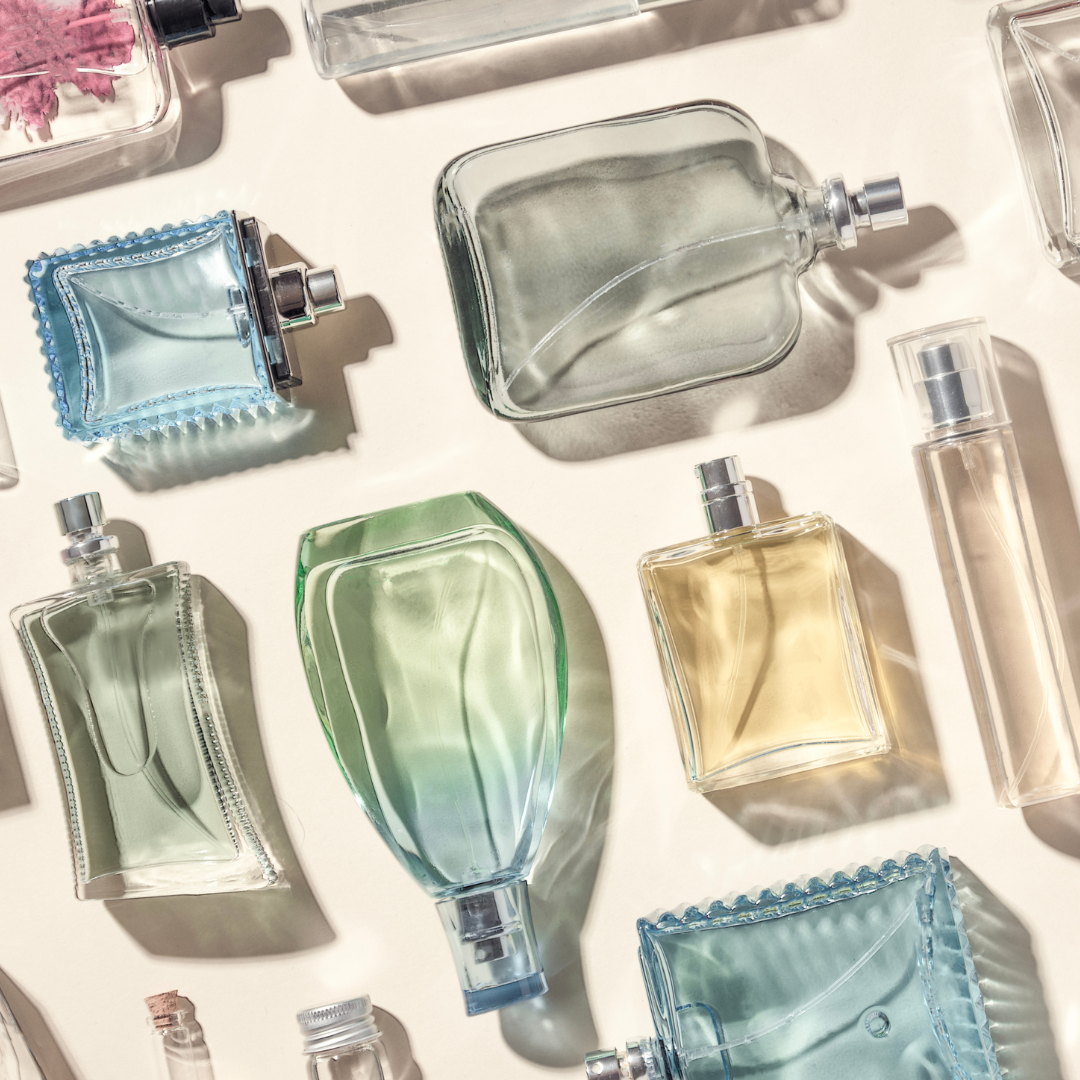
Often listed as fragrance or parfum, this single word can represent a blend of dozens, sometimes hundreds, of undisclosed compounds.
While it gives products a pleasant scent, fragrance is also one of the most common causes of skin irritation, especially for sensitive or reactive skin.
Common names you may see: Fragrance, Parfum, Aroma
A subtle shift is choosing products, like our tallow balms, scented only with essential oils or none at all.
2. Phthalates
Phthalates are most often used to help fragrance last longer. They are not always clearly listed on labels because they can be included under fragrance or parfum.
They have raised concerns around hormone disruption, which is why many brands have chosen to move away from them, though not all have.
Common names you may see: Diethyl Phthalate, DEP, DBP, DEHP
3. Parabens
Parabens are used as preservatives to extend shelf life and prevent the growth of bacteria and mold.
They are effective, but have been debated for their potential to mimic estrogen in the body. While they are permitted in small amounts, many people prefer to avoid them.
Common names you may see: Methylparaben, Ethylparaben, Propylparaben, Butylparaben
4. Sulfates
Sulfates are commonly found in cleansers and body washes and are responsible for creating a rich lather.
The downside is that they can strip the skin of its natural oils, leaving it feeling dry, tight, or imbalanced, especially in colder climates or on already dry skin.
Common names you may see: Sodium Lauryl Sulfate, Sodium Laureth Sulfate, SLS, SLES
5. Petroleum Derived Ingredients
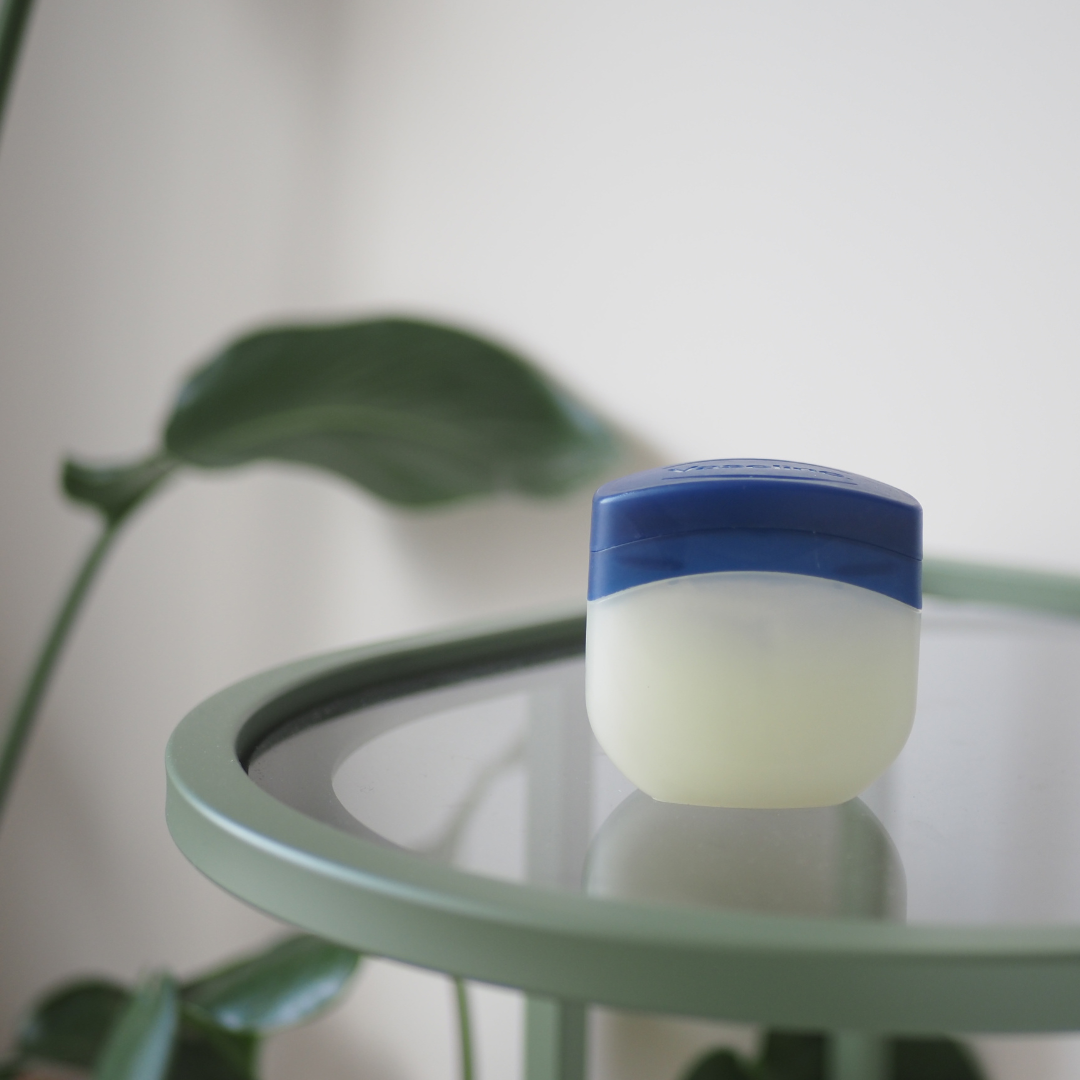
Petroleum derived ingredients are made from petroleum products and are commonly used to create a barrier on the skin that locks in moisture.
While they are not inherently harmful, they do not actively nourish the skin. Instead, they sit on the surface, which can feel heavy or occlusive for some.
Many people choose alternatives that both protect and provide nutrients the skin can recognize and use. We love tallow of course!
Common names you may see: Petrolatum, Petroleum Jelly, Mineral Oil, Paraffin, Liquid Paraffin
6. Synthetic Preservatives
Synthetic preservatives are used to prevent the growth of bacteria and extend the shelf life of a product.
They are often included for formulation stability rather than skin benefit, and some can be sensitizing over time, particularly for those with reactive skin.
Common names you may see: Phenoxyethanol, Ethylhexylglycerin, Benzyl Alcohol
A More Considered Approach
Skincare does not need to be complicated or overloaded.
Choosing formulations with fewer, more intentional ingredients can help support the skin’s natural function rather than overwhelm it. Ingredients that are familiar, functional and thoughtfully sourced often do more with less.
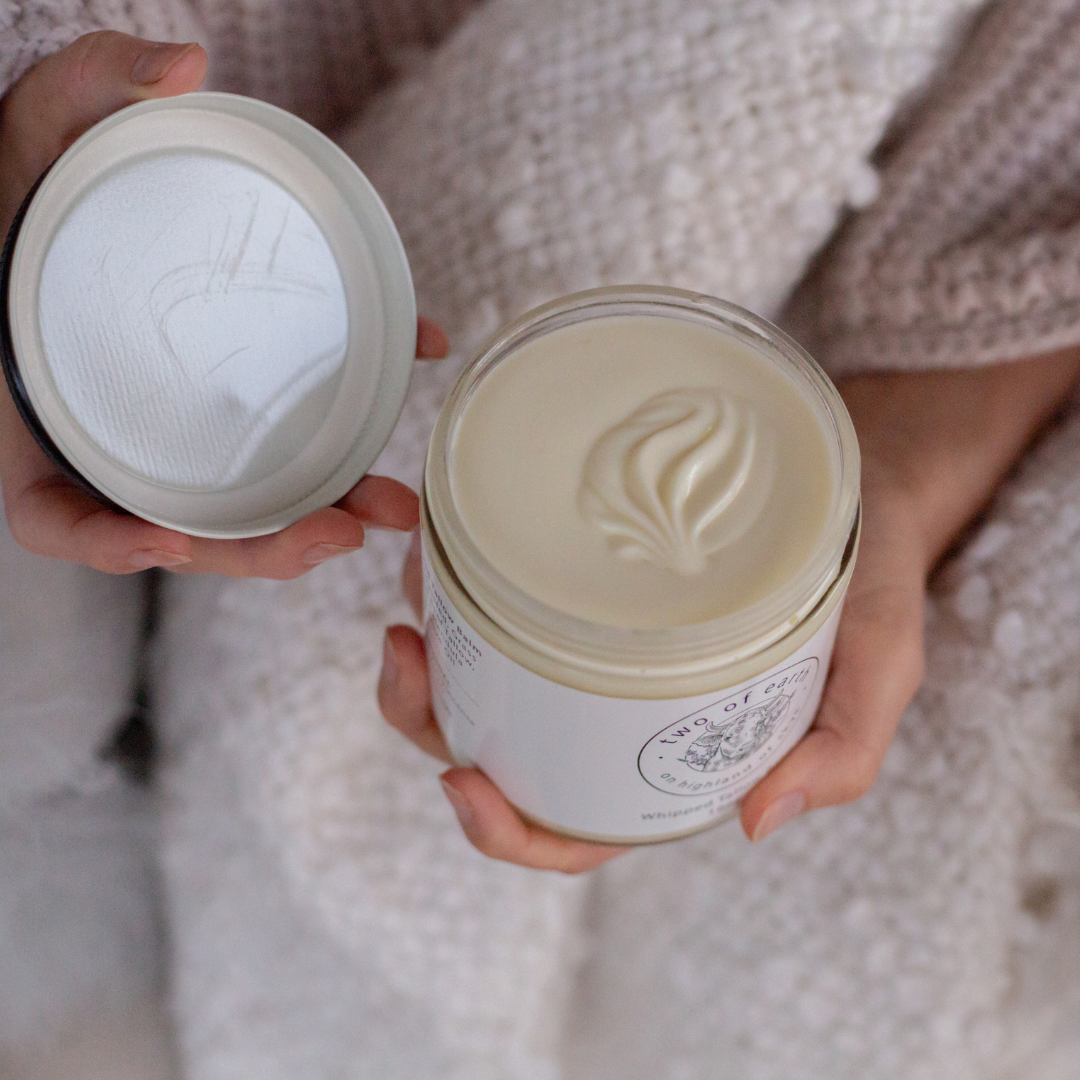
This is the basis behind our line of tallow balms. Clean, uncomplicated, skincare that works!
