
What Makes a Good Tallow? A Guide to Choosing Quality Tallow
Tallow has made its way back into kitchens, skincare routines, and pantries across the country. But as its popularity grows, so does the number of products available. Not all tallow is made the same way, and the source, processing, and quality of the fat can make a meaningful difference.
So what should you actually look for when choosing tallow?
Whether you are buying tallow for cooking, skincare, or both, here are a few things worth considering.
Start With the Source
Like any traditional food or ingredient, quality starts with the raw material.
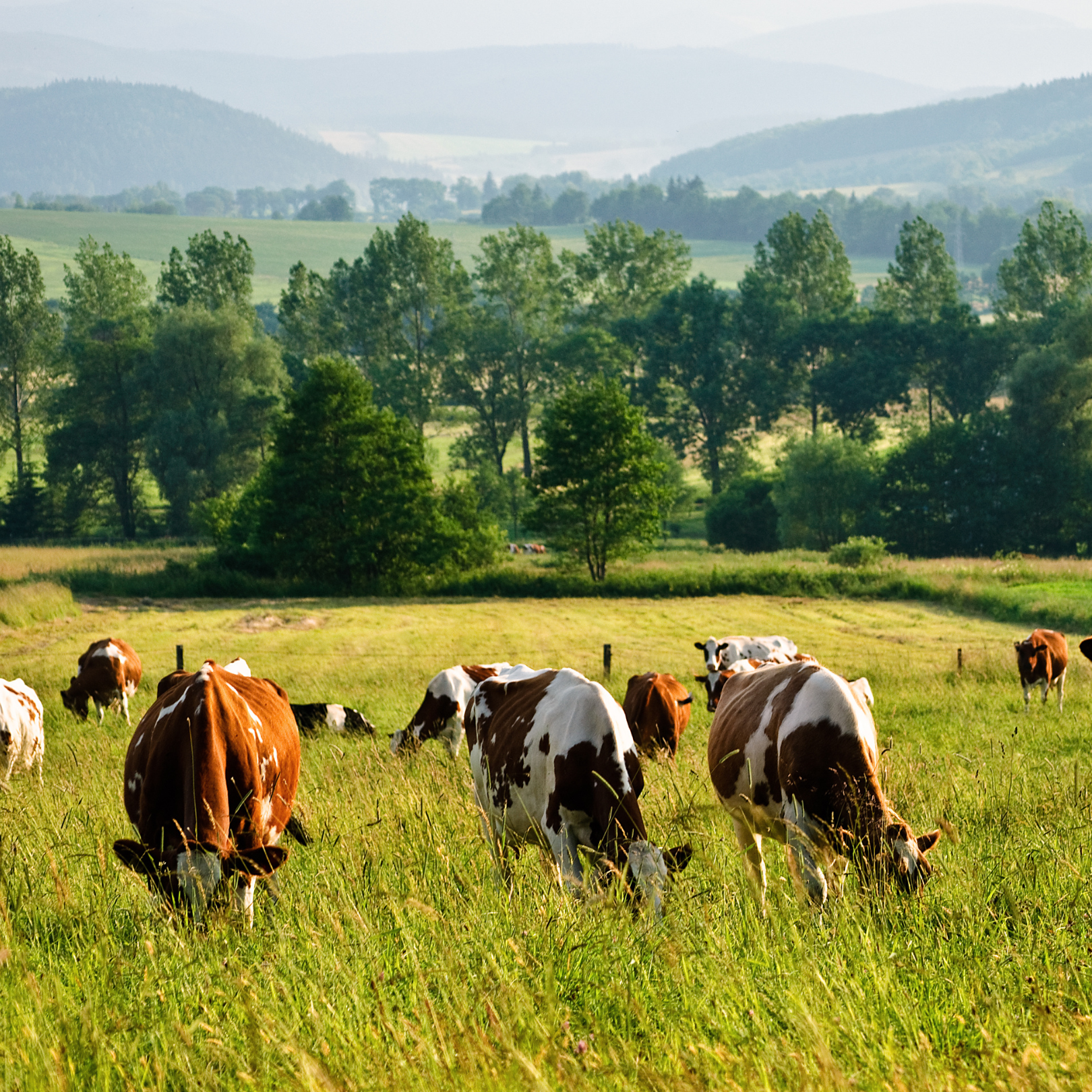
Tallow is rendered beef fat, so the quality of the finished product is closely connected to the quality of the animal it came from. We look for beef that is grass fed and grass finished, with a focus on Canadian sourcing.
The goal is simple: start with a good quality ingredient and keep it as close to its natural form as possible.
Know Your Fat
Not all beef fat is the same.
Tallow is traditionally rendered from the harder fat found around the kidneys and other internal organs, known as suet. Suet is prized because it is naturally firm, clean, and well suited to rendering.
When rendered properly, suet produces a smooth, stable fat that can be used for cooking, soap making, and skincare.
For us, the distinction matters. We choose high quality beef suet because we want the finished tallow to reflect the quality of the original ingredient.
Look at How It Is Rendered
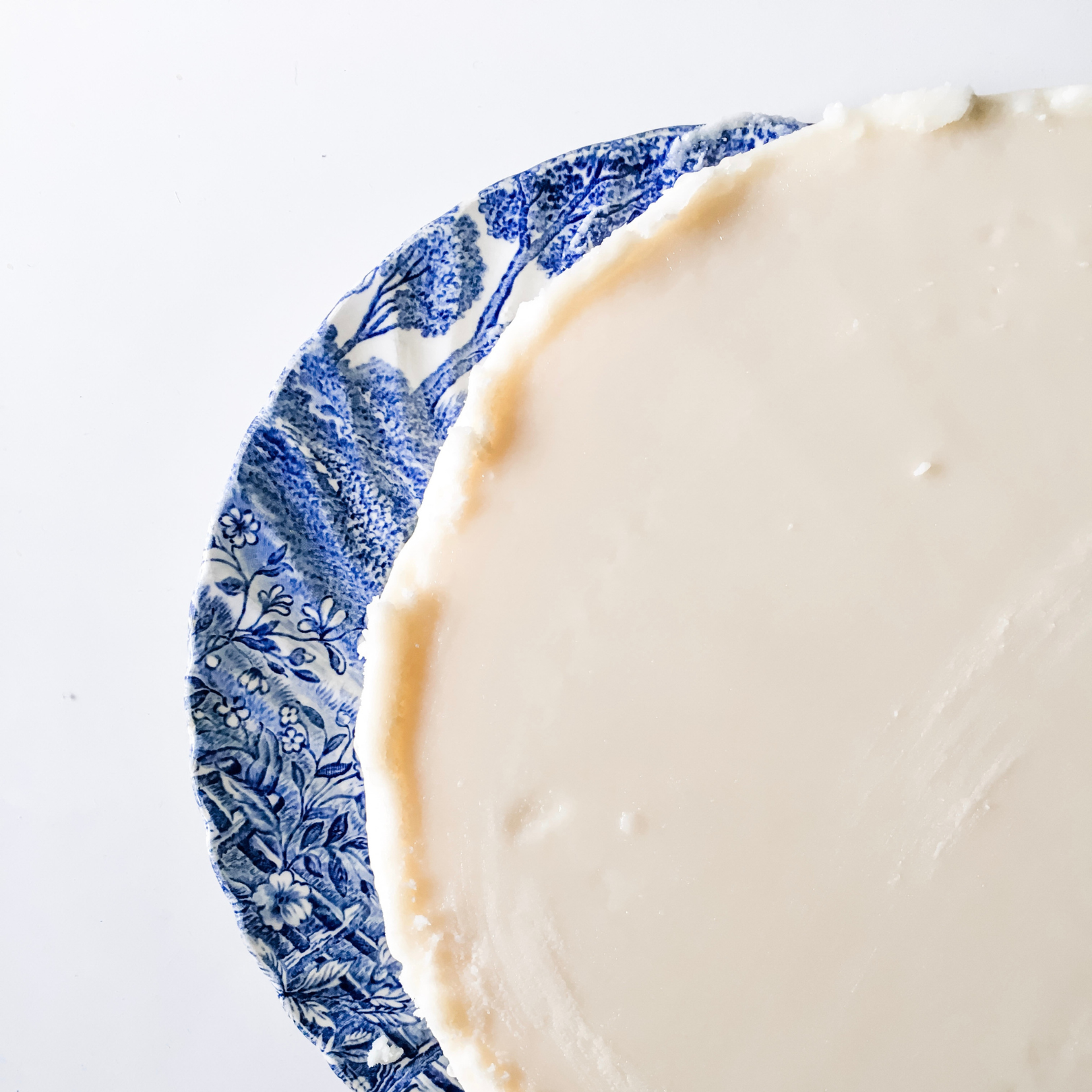
Rendering is the process of gently heating fat so that the pure fat separates from the connective tissue and other solids.
There are different approaches to rendering, but the goal should always be to create a clean, pure finished product without unnecessary ingredients.
A good tallow should not need a long ingredient list.
For cooking tallow, we believe the finished product should be exactly what you expect it to be: pure beef tallow.
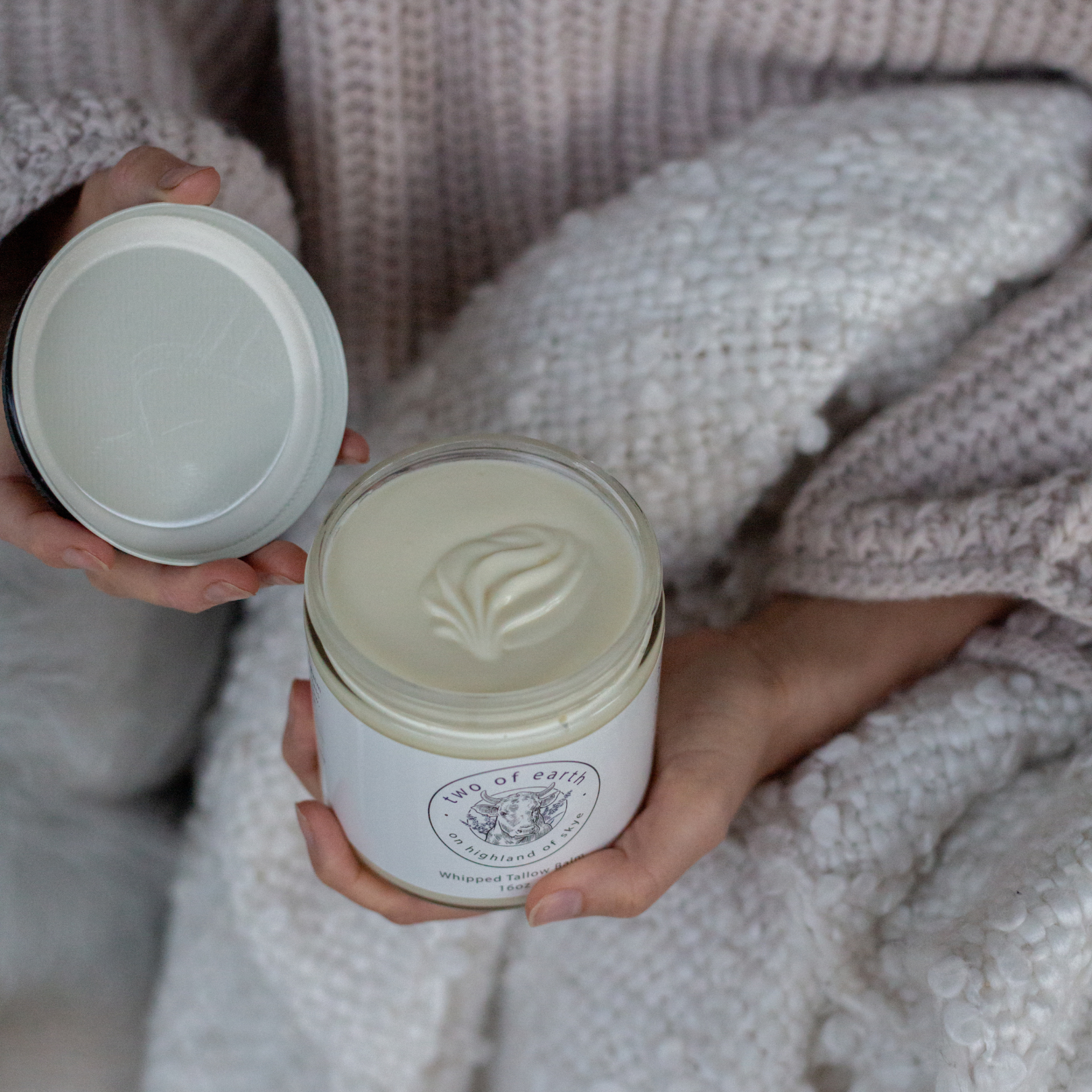
For skincare, the same principle applies. Tallow can be combined with carefully selected ingredients to create a balm, but the tallow itself should remain a simple and recognizable part of the formula.
Pay Attention to the Ingredients
One of the easiest ways to assess a tallow product is to look at the ingredient list.
If you are purchasing cooking tallow, you may find products containing oils, flavourings, preservatives, or other additions. That is not necessarily a bad thing, but it is important to know what you are buying.
If you want pure tallow, look for a product made with 100 percent beef tallow.
The same applies to skincare. A tallow balm may contain additional ingredients such as olive oil, essential oils, or botanicals. Understanding what has been added allows you to choose a product that fits your preferences and your skin.
At Two of Earth, simplicity is at the heart of what we make. Our Premium Cooking Tallow is made with 100 percent grass fed and grass finished Canadian beef suet tallow.
Colour and Texture Can Vary
Tallow does not always look exactly the same, and that is okay.
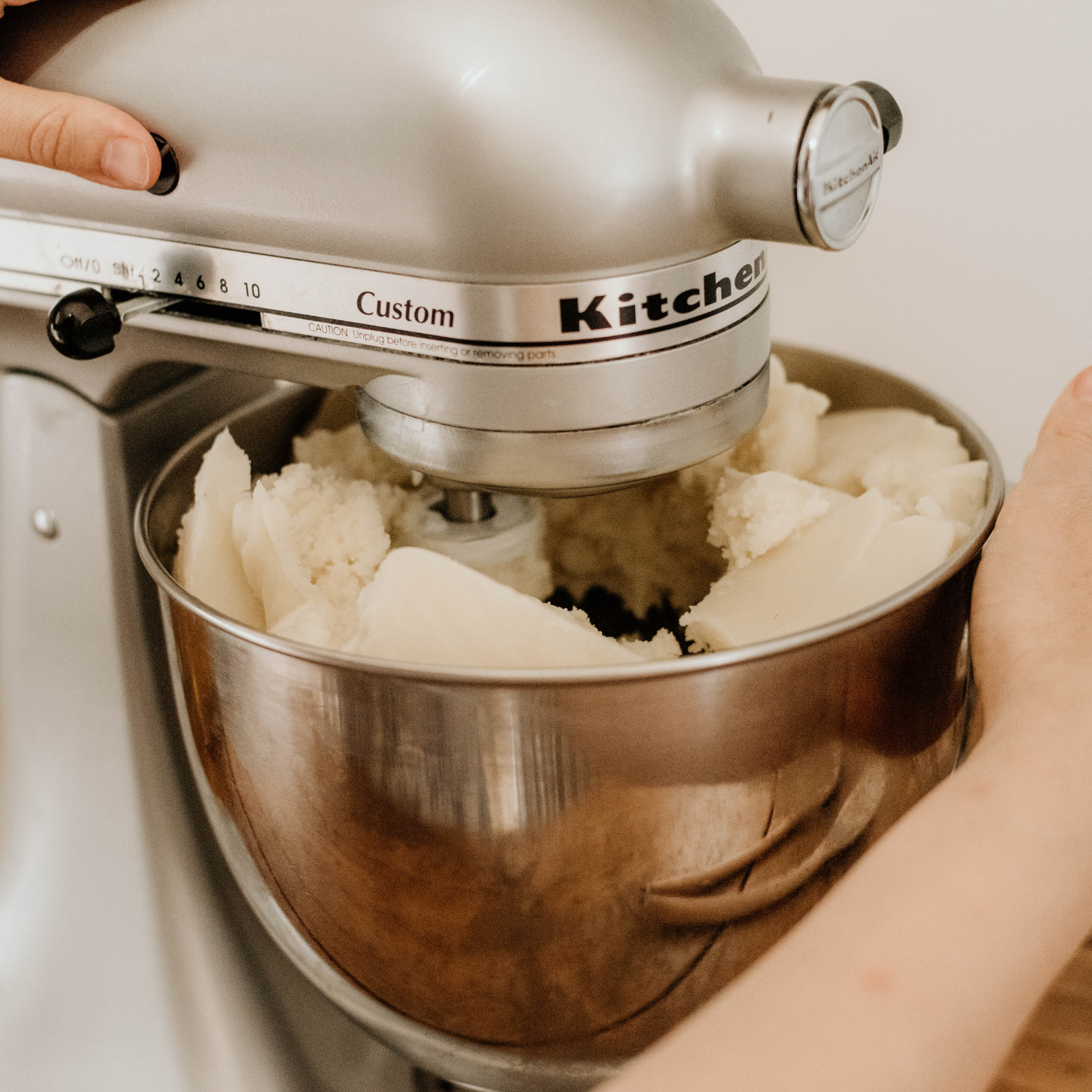
Colour and texture can vary depending on the animal, the fat used, and the rendering process. Some tallow is bright white, while other batches may have a warmer ivory or cream colour.
Likewise, texture can range from firm and dense to soft and creamy.
Small variations are not necessarily a sign of poor quality. In fact, when working with a natural ingredient, some variation is to be expected.
What About the Smell?
This is one of the most common questions about tallow.
Pure beef tallow can have a subtle natural scent, particularly when it is warm. The intensity can vary depending on the fat and the rendering process.
For skincare, some people prefer a completely unscented product, while others enjoy essential oils or naturally scented ingredients.
There is no single right answer. What matters is knowing what is in the product and choosing what works for you.
Cooking Tallow and Skincare Tallow Are Not Necessarily the Same
Although both products come from rendered beef fat, they are made with different uses in mind.
Cooking tallow is intended for the kitchen. It is wonderfully versatile and can be used for roasting, frying, sautéing, and adding richness to food.
Skincare tallow is formulated for topical use and is often combined with other skin friendly ingredients.
That means you should not necessarily assume that a jar of cooking tallow and a jar of tallow balm are interchangeable. Look for products specifically made for their intended purpose.
Look for Transparency
One of the best signs of a quality product is a brand that is willing to tell you where its ingredients come from and how the product is made.
Where does the beef come from?
What part of the animal is used?
Is the beef grass fed and grass finished?
How is the fat rendered?
What other ingredients have been added?
Can the brand explain why each ingredient is there?
These are simple questions, but they can tell you a lot.
Why We Choose Tallow
At Two of Earth, we are drawn to tallow because it represents something beautifully simple.
It is an ingredient that has been used for generations, made from something that might otherwise be discarded, and remarkably versatile in both the kitchen and the bathroom.
Our approach is rooted in using high quality ingredients, keeping formulations straightforward, and respecting the materials we work with.
For us, choosing good tallow starts long before it reaches the jar. It starts with the animal, the quality of the fat, and the care taken during rendering.
Because when an ingredient is this simple, there is nowhere for unnecessary complexity to hide.
A Simple Checklist for Choosing Tallow
When you are shopping for tallow, here are a few things to look for:
Source: Is the beef source clearly stated?
Quality: Is the beef grass fed and grass finished?
Fat: Is the tallow rendered from quality beef suet?
Ingredients: Is the ingredient list simple and transparent?
Processing: Does the brand explain how its tallow is rendered?
Purpose: Is the product specifically intended for cooking or skincare?
Transparency: Can you easily find information about how and where the product is made?
Sometimes, choosing a quality product really can be that simple.
Good ingredients. Thoughtful processing. Nothing unnecessary.
That is the kind of tallow we want in our kitchens, and the kind we want on our skin.
