
The Ancestral Wisdom of Organ Meats
Long before supplements and nutrition labels, people understood food through instinct and survival. Across continents, organ meats were prized as sacred nourishment. They were not scraps. They were the most valued parts of the animal.
From liver eaten fresh at the site of the hunt to blood soups shared at the table, ancestral cultures recognized what we are only beginning to remember. Organ meats are among the most nutrient dense foods on earth.
Indigenous and Hunter Gatherer Traditions
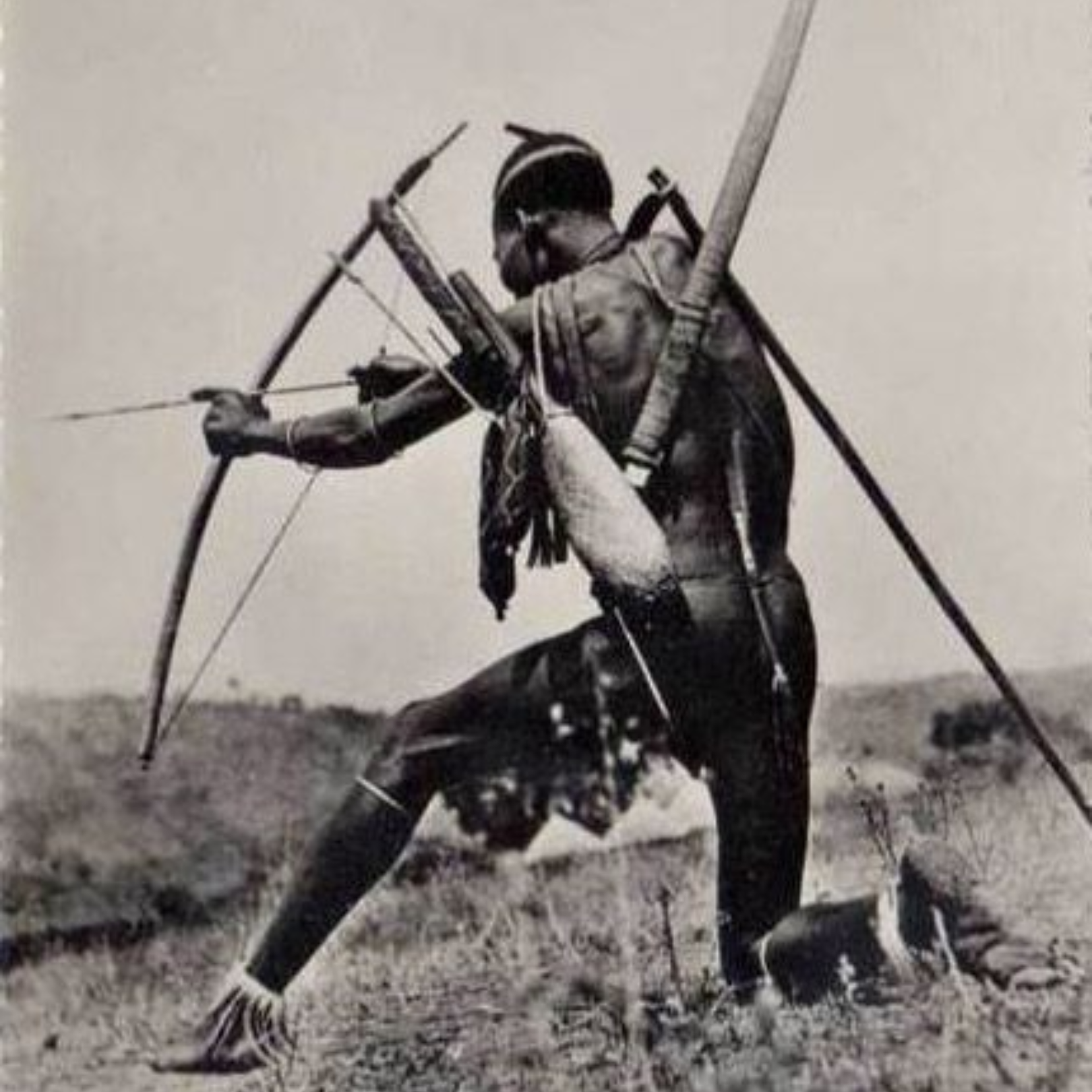
Among Indigenous tribes, raw bison liver was highly prized, sometimes even the gallbladder. It was immediate nourishment. The Inuit relied on caribou and seal liver as a vital source of energy and micronutrients in a landscape where plant foods were scarce. The Maasai traditionally subsisted on milk, meat, and blood, with organ meats central to strength and resilience. Australian Aboriginal peoples often ate the liver immediately after a hunt, along with fat, marrow and blood from kangaroo and other game. The Hadza, of Northern Tanzania, prioritize the heart, kidney, and liver of large animals, consuming them first as the most life giving portions. Across these cultures, organs were eaten first and shared with children. They were considered essential.
Ancient Civilizations
The Aztecs and Mayans viewed the heart and liver as carriers of strength and spirit, often reserving them for warriors and priests. In Ancient Egypt, Ancient Greece and Ancient Rome, liver was considered a delicacy. Old Testament sacrificial rituals specifically mention the liver and kidneys as the most precious offerings. These organs were seen as sacred.
European and Regional Traditions
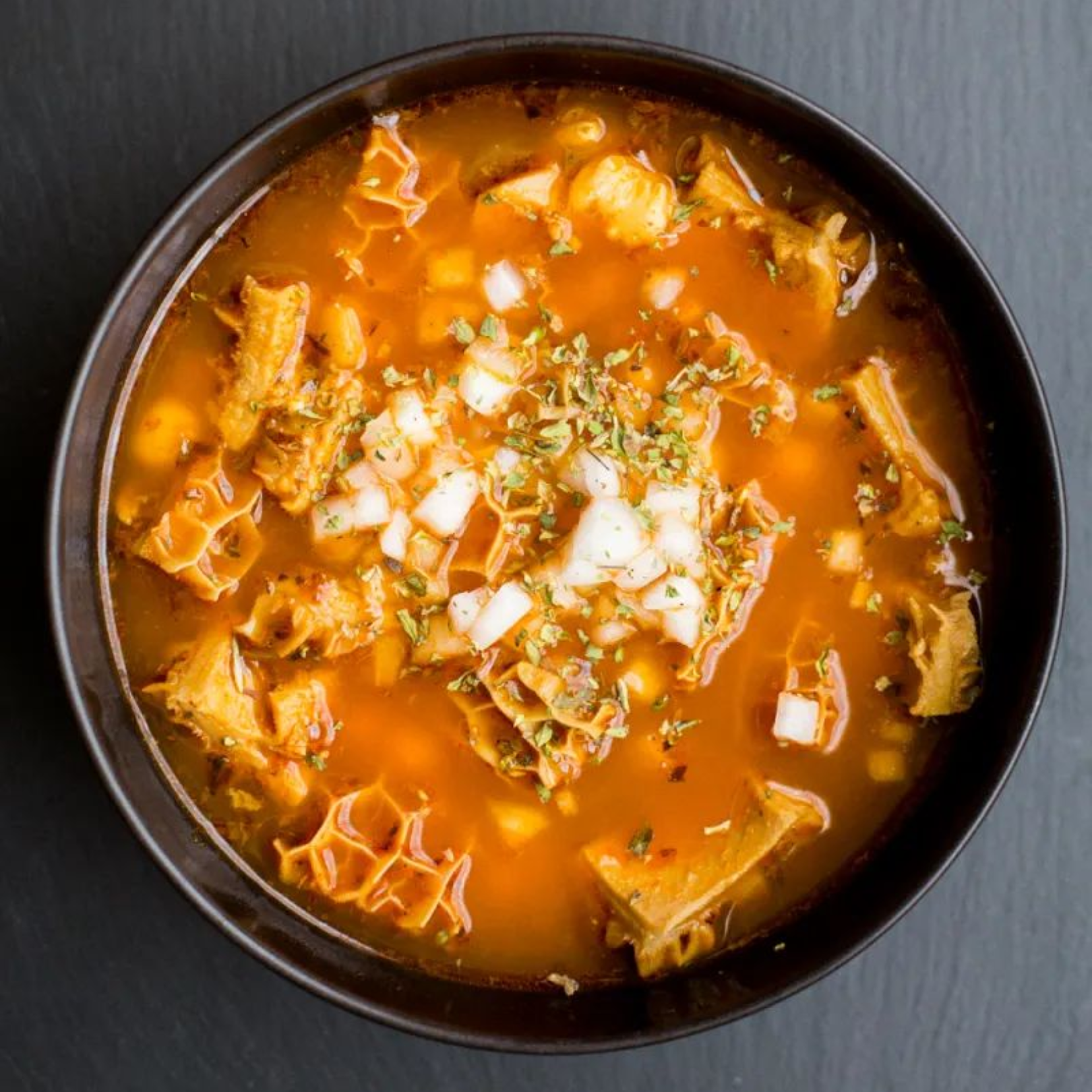
In Scotland, Haggis emerged from using the whole animal. A sheep’s pluck, heart, liver and lungs, was minced and cooked inside the stomach. France refined liver and other organs into charcuterie and pâté. In Eastern Europe, flaki or Ciorbă de Burtă, a centuries old tripe soup, reflects the same practical reverence for the whole animal, transforming beef stomach into a deeply nourishing dish. In eighteenth and nineteenth century Ireland, black pudding, lamb kidneys, and pig’s feet were everyday staples. In Norway, Smalahove features a sheep’s head, with the brain and fat around the eyes eaten during Christmas celebrations. In Argentina, achuras, including sweetbreads, kidneys, and blood sausage, are central to the asado tradition.
Asian Traditions
In China, pork blood soup and offal dishes have long been everyday foods. In Japan, motsu appears in dishes such as horumon, where grilled organ meats are shared socially. In Indonesia, sekba and other pork offal soups continue the tradition of nose to tail eating.
Shared Ancestral Themes
Across cultures, the patterns are clear.
Immediate consumption
Liver was often eaten at the site of the kill, providing rapid access to vitamin A, B12, iron, and trace minerals. Can’t stomach raw liver, try freeze dried liver capsules like these.
Symbolic strength
Many believed that eating a specific organ would strengthen the corresponding organ in the body. Heart for courage. Liver for vitality.
Nutrient density
Ounce for ounce, organ meats provide some of the highest concentrations of fat soluble vitamins, bioavailable iron, B vitamins, and essential minerals available in food.
Remembering What We Once Knew
Modern diets shifted toward muscle meat, leaving organs behind. Yet for most of human history, they were foundational.
Choosing organ meats today is not a trend. It is a return. A return to nutrient density. A return to respecting the whole animal. A return to the wisdom our ancestors never questioned.
