
Winter Hydration Inside and Out
Winter has a way of quietly pulling moisture from us. Cold air outside, dry heated air indoors and a natural tendency to drink less water all contribute to dehydration that shows up not only on our skin but throughout the body. Staying hydrated during the colder months is one of the most supportive things we can do for our skin barrier, immune health, hair and overall resilience.
Hydration is often thought of as something we only need in summer, yet winter is when our bodies are under a different kind of stress. Dry air increases water loss through the skin and lungs, which can leave us feeling tight, fatigued and more susceptible to seasonal illness.
Why Hydration Matters For Immunity
One of hydration’s most overlooked roles is its impact on our immune defences. Our mucous membranes line the nose, throat, lungs and digestive tract. These membranes act as the body’s first barrier against bacteria and viruses. When the body is well hydrated, these tissues stay moist and effective at trapping and flushing out unwanted particles. When they dry out, they become less protective, making it easier for pathogens to settle in.
Proper hydration supports circulation, nutrient delivery and the movement of immune cells throughout the body. It also helps the lymphatic system do its job, quietly clearing waste and supporting immune balance.

Electrolytes In Winter
Hydration is not just about water. Electrolytes play an essential role in helping the body absorb and retain fluids. In winter, when thirst cues are lower, electrolytes can help ensure the water you drink actually nourishes your cells. Mineral rich broths (like these beef and chicken bone broths), soups, and properly balanced electrolyte drinks can support hydration without overwhelming the body.
Salt often gets a bad reputation but high quality unrefined salt in appropriate amounts is vital for fluid balance, nerve function, and adrenal support.
Nourishing Skin And Hair With Tallow
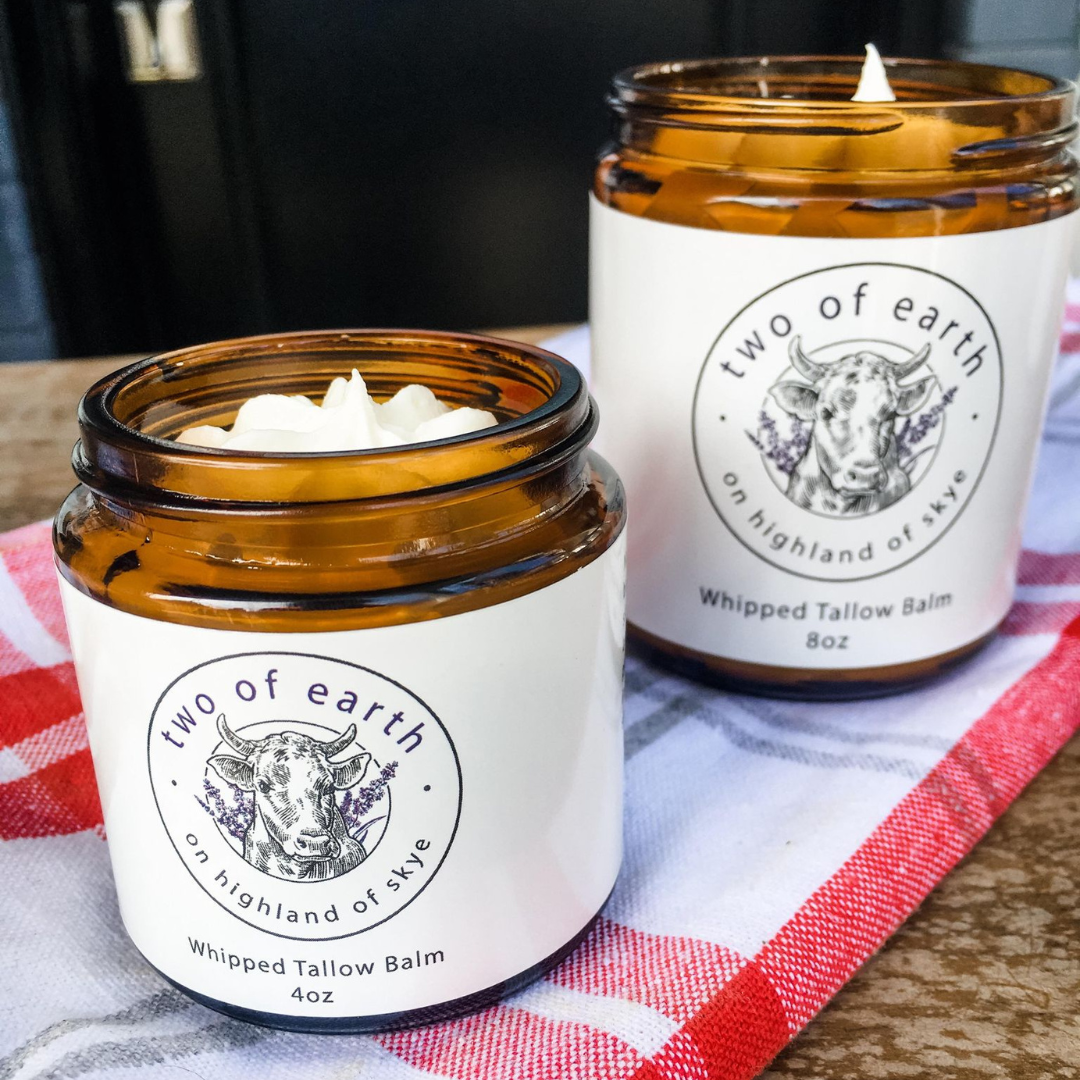
Externally, hydration starts with supporting the skin barrier. Tallow is uniquely suited for winter care because of its fatty acid profile, which closely resembles the natural oils found in healthy human skin. Rather than sitting on the surface, it absorbs deeply, helping the skin retain moisture and remain supple even in harsh conditions.
Beyond skincare, tallow can also be used as a deeply nourishing hair mask. Applied to dry ends or worked gently into the scalp before washing, it helps protect hair from dryness, breakage, and static that are so common in winter. A small amount goes a long way, offering richness without heaviness.
Our Tallow Balms like the Original Whipped or Original Solid are perfect for both skin and hair. And our Homesteaders Tallow Soap is the perfect nourishing soap for winter dryness.

Eating Your Hydration
Winter hydration does not have to come solely from glasses of cold water. Hydrating foods are often more appealing and grounding during colder months. Soups and stews made with mineral rich broths provide warmth, nourishment, and fluids all at once. Herbal teas offer gentle hydration while supporting digestion, relaxation, etc...
Fruits like pomegranates, oranges and grapefruit provide water along with antioxidants that support skin and immune health. Root vegetables, squash and slow cooked meals also contribute to hydration while supplying minerals that help the body hold onto moisture.

The Role Of Humidity
Indoor heating dramatically lowers humidity levels, which accelerates moisture loss from the skin and respiratory tract. Using a humidifier can help counteract this dryness, supporting both skin comfort and respiratory health. It is important to remember that humidifiers need regular cleaning to prevent the buildup of mold or bacteria. A clean humidifier supports health, while a neglected one can work against it.
Supporting Hydration As A Daily Ritual
Winter invites us to slow down and care for ourselves more intentionally. Hydration can become a quiet ritual rather than a chore. Warm beverages, nourishing meals, intentional skincare and mindful use of moisture in our homes all work together to support the body from the inside out.
When we stay hydrated, our skin is more resilient, our immune defences are stronger and our bodies are better equipped to move through the colder months with ease. Winter may be dry by nature, but with the right support, we do not have to be.
