
Sometimes the best things in the kitchen are the ones we've been overlooking. Before shelves were filled with an endless variety of cooking oils and spreads, traditional kitchens relied on simple, wholesome fats that had been used for generations. One of those ingredients was beef tallow.
Once a staple in home kitchens, beef tallow is finding its way back into modern cooking. And for good reason. Versatile, flavourful and wonderfully simple, this traditional cooking fat deserves a place on your kitchen counter.
Whether you're discovering tallow for the first time or remembering how your grandparents cooked, here's everything you need to know about bringing it back into your kitchen.
What Exactly Is Beef Tallow?
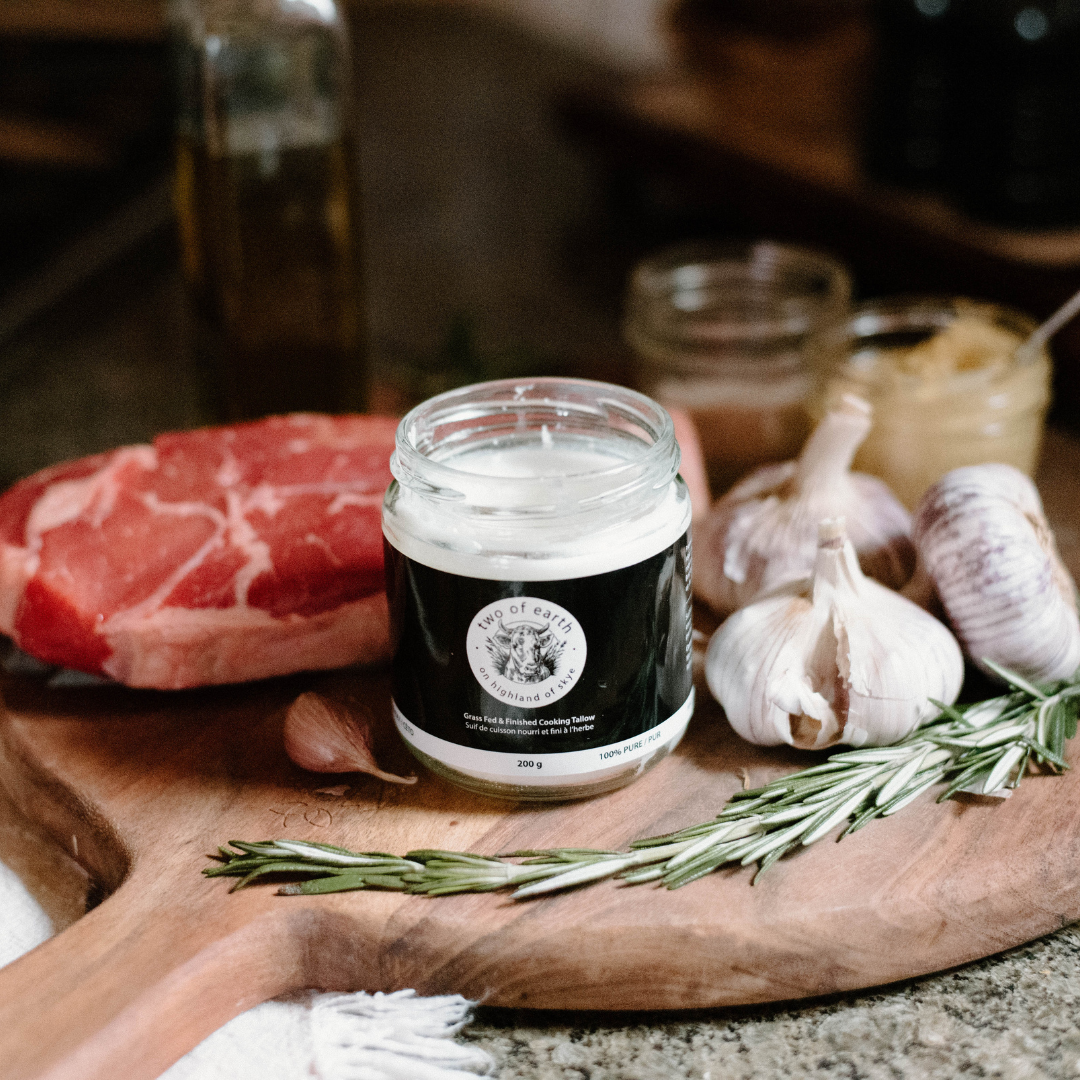
Beef tallow is rendered fat from cattle, traditionally made by slowly heating beef suet, the fat surrounding the kidneys and loins, until the pure fat separates from the connective tissue and impurities.
The result is a smooth, creamy fat that solidifies at room temperature and melts beautifully when heated.
For generations, tallow was a common household ingredient. It was used for everything from frying and roasting to baking and preserving food. As industrially produced vegetable oils became more widely available, traditional animal fats gradually fell out of favour. Today, many home cooks are rediscovering these time honoured ingredients and the simplicity they bring to everyday cooking.
Why Cook with Tallow?
One of the best things about beef tallow is its versatility. It has a relatively high smoke point, making it suitable for many high heat cooking methods, including frying, roasting and searing.
But its usefulness goes beyond temperature.
A wonderfully versatile cooking fat
Tallow works beautifully across a variety of cooking methods. Use it to crisp potatoes, roast vegetables, sear a steak or add richness to homemade dishes. A little goes a long way.
A traditional ingredient
There is something satisfying about returning to ingredients that have been used in kitchens for generations. Tallow is a simple, minimally processed cooking fat that connects modern cooking with traditional food practices.
A delicious addition to everyday meals
Tallow has a mild, savoury flavour that complements many ingredients. It creates beautifully golden, crispy edges on roasted vegetables and adds depth to everything from fried eggs to homemade potatoes.
A useful way to embrace nose to tail cooking
Rendering beef fat is one way to make use of more of the animal. Rather than treating this valuable resource as waste, traditional cooking practices find another purpose for it.
5 Ways to Use Beef Tallow in Your Kitchen
If you've never cooked with tallow before, the good news is that it's incredibly easy to incorporate into your existing recipes. Here are five simple ways to get started.
1. Roast the Perfect Potatoes
If there is one place where tallow really shines, it's roasted potatoes.
Toss peeled and chopped potatoes in melted tallow, season generously with salt and your favourite herbs, and roast until beautifully golden and crisp. The outside develops a wonderfully crunchy texture while the inside stays fluffy.
A little garlic and rosemary make a particularly lovely addition.
2. Give Your Vegetables a Golden Finish
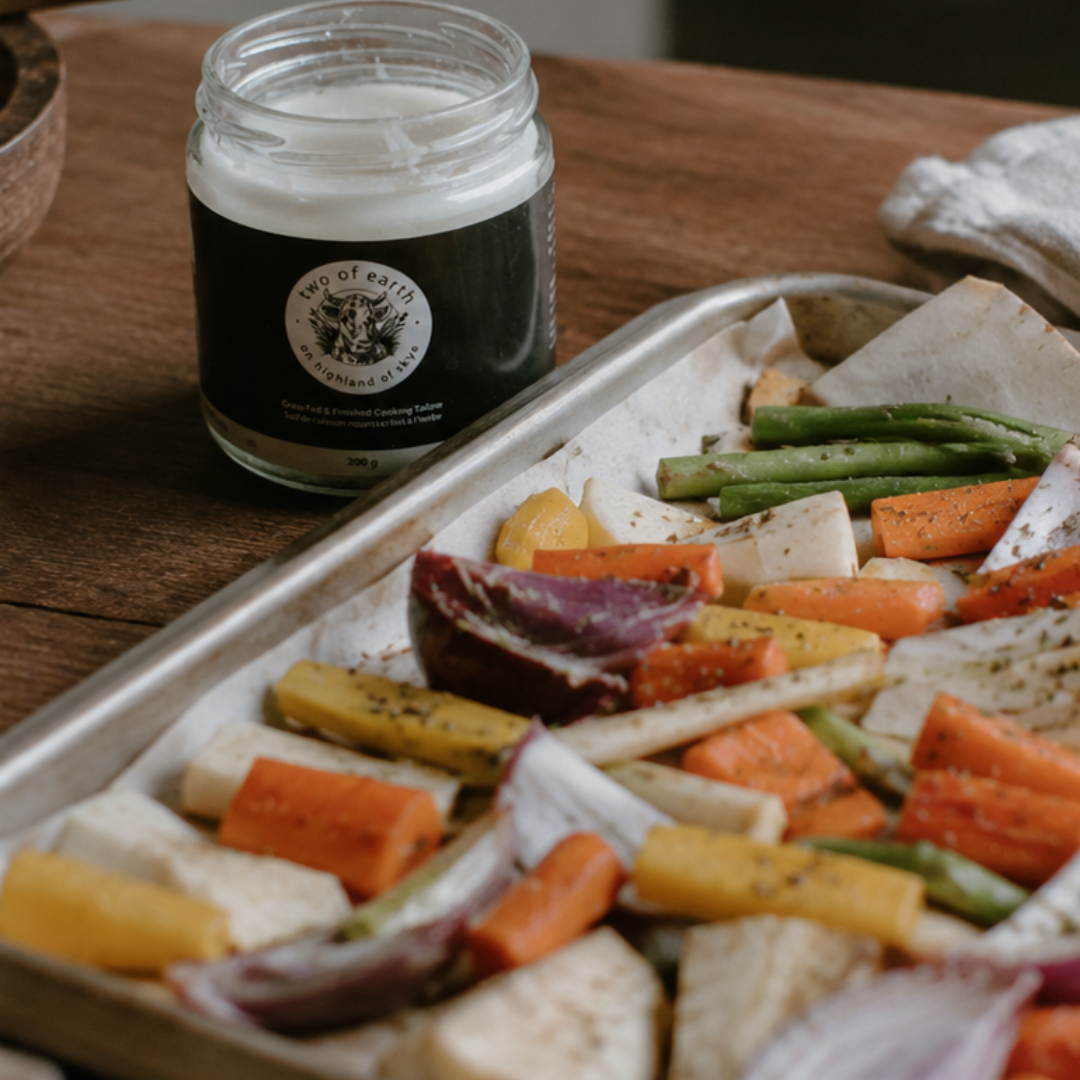
Root vegetables and tallow are a natural pairing. Try tossing carrots, parsnips, sweet potatoes or Brussels sprouts in melted tallow before roasting.
The fat helps create caramelized edges while bringing out the natural sweetness of the vegetables.
It's a simple way to make everyday side dishes feel a little more special.
3. Sear Meat and Fish
Tallow is particularly useful for high heat cooking. Add a spoonful to a hot skillet before searing steak, burgers or other cuts of meat.
It creates a lovely browned exterior and adds a subtle savoury richness.
You can also use it when pan frying fish, particularly heartier varieties.
4. Fry Eggs and Everyday Breakfasts
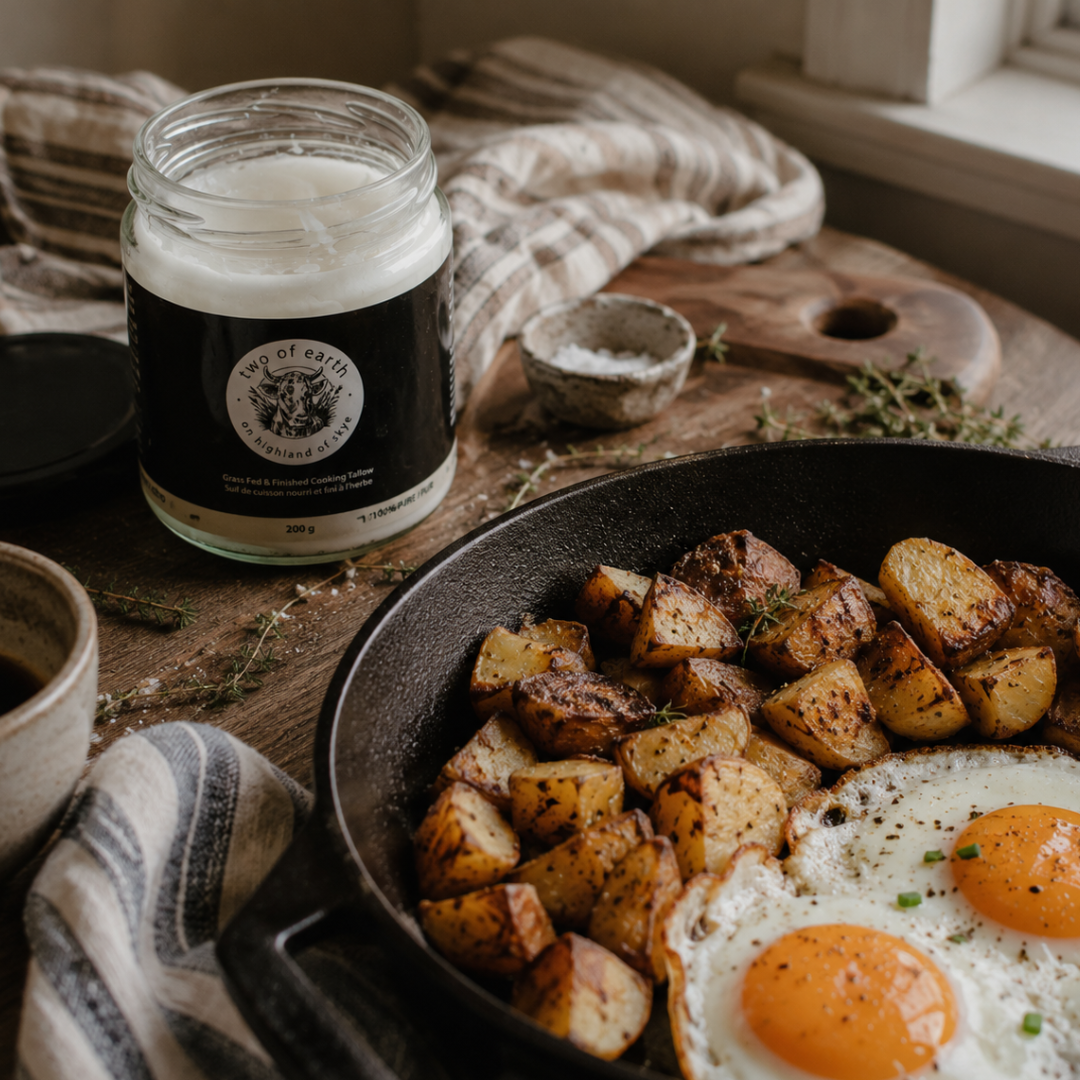
A small spoonful of tallow is all you need to get started. Melt it in a frying pan before adding eggs, hash browns or breakfast potatoes.
It's an easy swap for your usual cooking fat and a lovely way to introduce tallow into your everyday routine.
5. Experiment with Traditional Baking
Tallow has also played a role in traditional baking. Like other solid cooking fats, it can contribute to tender, flaky textures in certain pastry recipes.
Try experimenting with savoury pastry, traditional meat pies or recipes that call for solid cooking fat. The flavour is particularly well suited to savoury baking.
Tallow vs. Other Cooking Fats
Not all cooking fats behave the same way. Each has its own flavour, texture and ideal uses.
Beef tallow: A solid fat at room temperature with a relatively high smoke point. Excellent for roasting, frying and searing.
Butter: Adds a distinctive creamy flavour and is wonderful for baking, sauces and lower temperature cooking. Its milk solids can burn at higher temperatures.
Olive oil: A versatile liquid fat commonly used for dressings, sautéing and roasting. Extra virgin olive oil also brings its own distinctive flavour.
Coconut oil: A plant based fat that is solid at cooler temperatures and melts when heated. It can be useful in baking and cooking, although its flavour varies depending on the type.
Rather than thinking of one fat as a replacement for everything else, consider keeping a few different options in your kitchen and choosing the one that best suits what you're making.
A Few Tips for Cooking with Tallow
If you're new to cooking with tallow, here are a few things worth knowing.
Start small. You don't need much. Begin with a spoonful or two and adjust according to your recipe.
Melt before using. Tallow is solid at room temperature, so gently warm it until liquid before tossing with vegetables or adding it to a pan.
Avoid overheating. Although tallow is suitable for higher temperature cooking, it can still smoke if heated beyond its limits. Keep an eye on your pan and avoid prolonged overheating.
Store it properly. Keep your tallow in a clean, airtight container. Follow the storage instructions on your product label, and always use a clean utensil when scooping it out.
Experiment. Start by substituting tallow for another cooking fat in recipes you already love. Roasted potatoes are a particularly good first experiment!
Bringing Traditional Ingredients Back to the Table
There is something wonderful about rediscovering ingredients that have quietly been part of our food traditions for generations.
Cooking with tallow isn't about changing everything in your kitchen or following the latest food trend. It's about understanding what we're cooking with, appreciating simple ingredients and finding new ways to bring traditional practices into modern life.
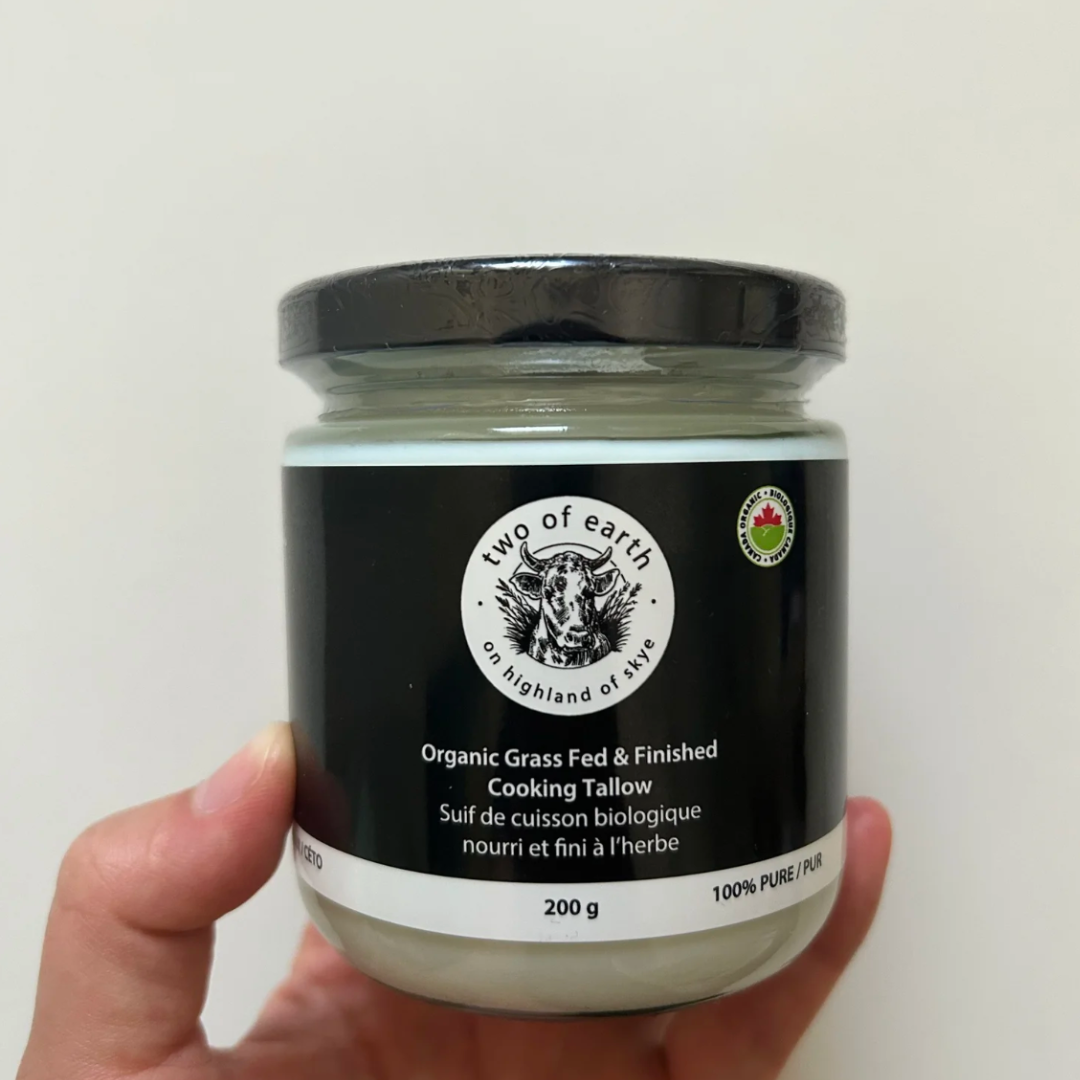
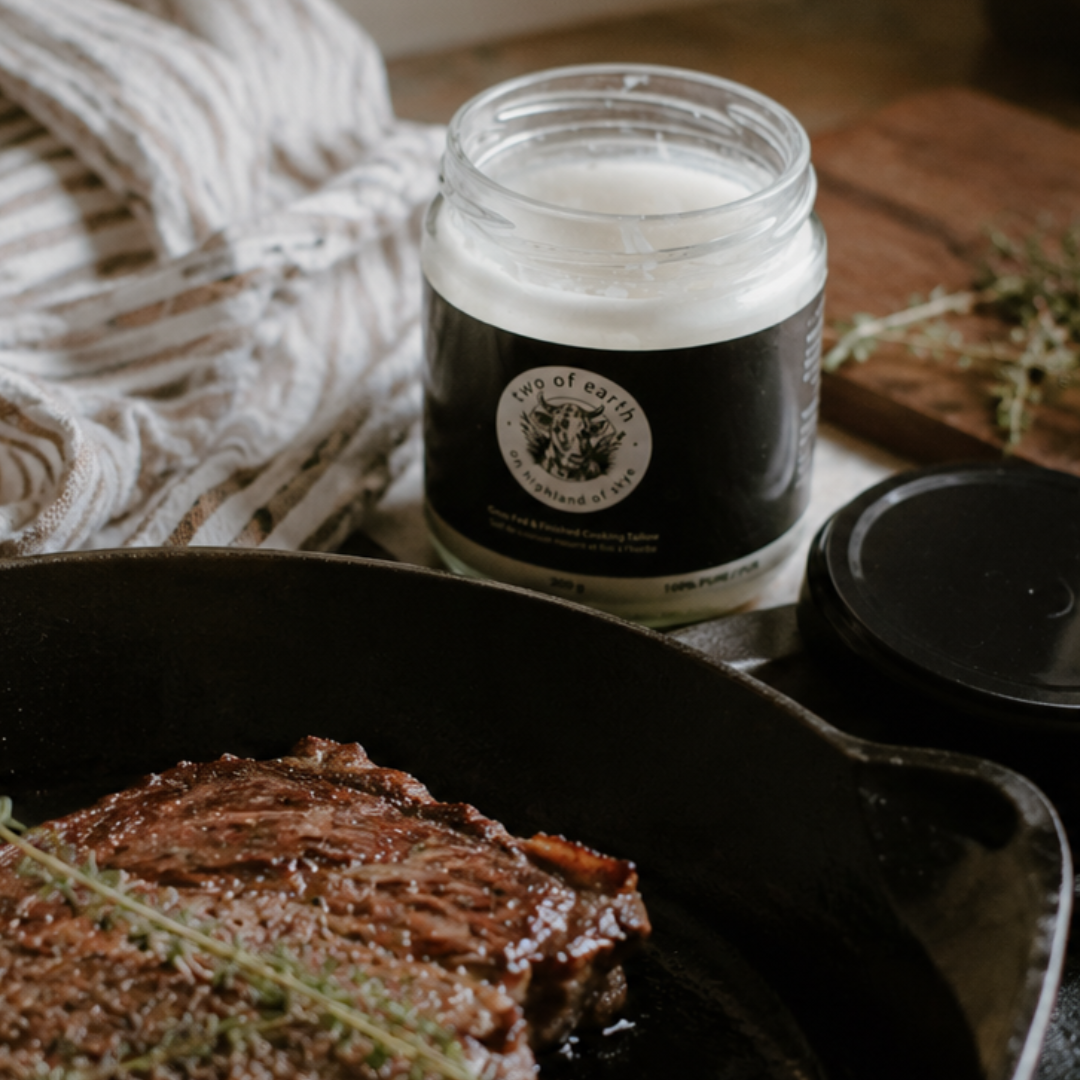
At Two of Earth, we believe in the beauty of simple, thoughtfully sourced ingredients. Our Cooking Tallow is made from 100% grass fed and finished Canadian beef suet, certified organic and Ecocert certified.
No unnecessary additions. Just pure, carefully sourced beef tallow, ready to become a hardworking staple in your kitchen.
Sometimes, going back to the basics is exactly what we need.
Ready to give it a try? Discover Two of Earth's Organic Cooking Tallow and bring a little tradition back to your kitchen.
