
Mineral vs Chemical Sunscreen: What to Look For and What to Avoid
Sunscreen is one of those products many of us use without thinking twice. We grab what is on the shelf, trust the label and assume all formulas work the same.
But when it comes to sunscreen, the details matter.
While we do not make our own sunscreen (a story for another day), we care deeply about ingredient awareness and clean formulations. We tend to apply the same level of scrutiny to the sunscreen we choose as we do to the skincare we put on our shelves.
Because not all sunscreens are created equally.
Understanding the difference between mineral and chemical sunscreen can help you make a more informed choice for your skin, your family and even the environment.
This does not mean sunscreen is “bad.” Far from it.
It simply means it is worth understanding what is inside the bottle.
What is the Difference Between Mineral and Chemical Sunscreen?
At the simplest level, sunscreen protects your skin from ultraviolet rays, but it does this in two very different ways.

Mineral Sunscreen
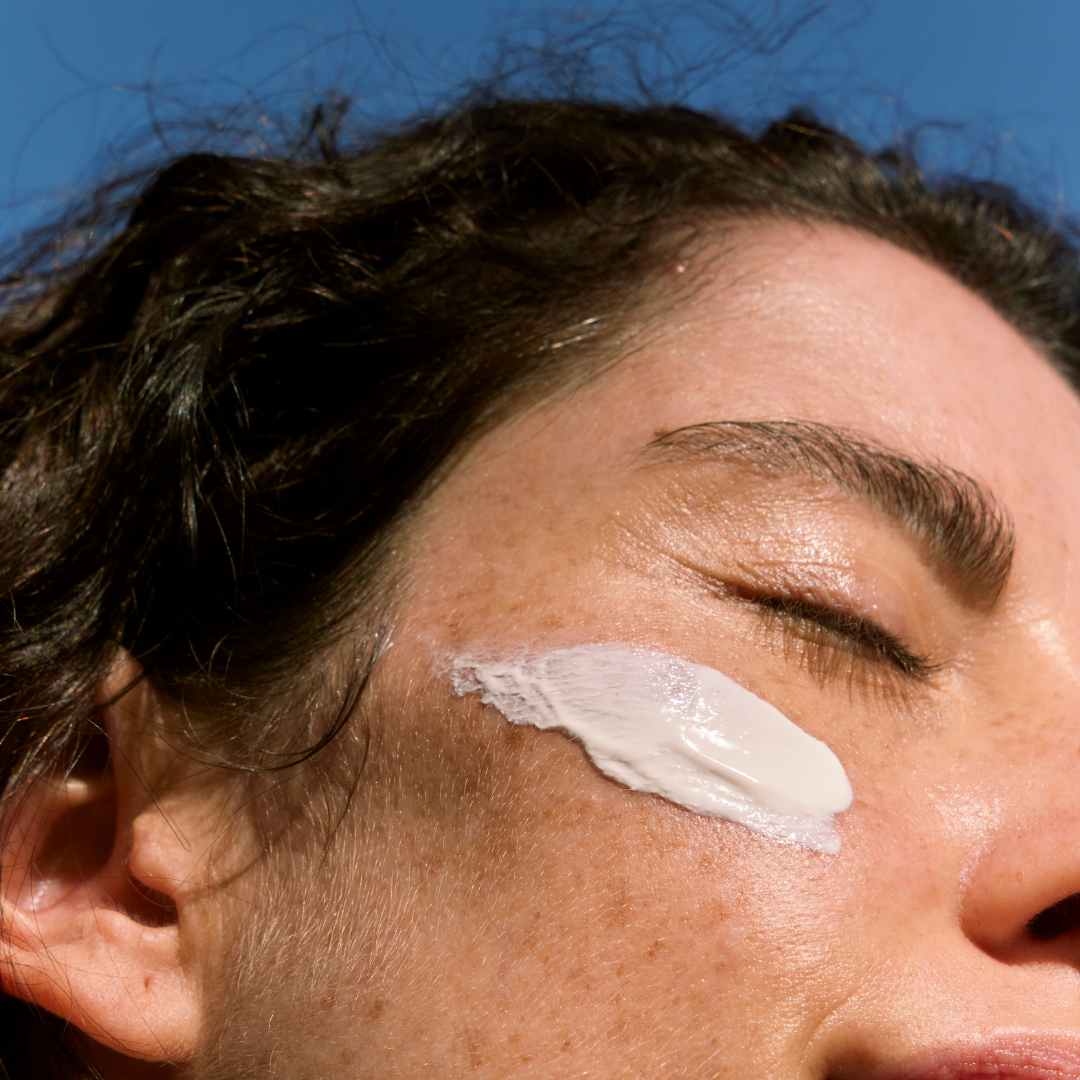
Mineral sunscreen, often called physical sunscreen, uses mineral filters that sit on the skin and help reflect or scatter UV rays.
The two most common mineral filters are zinc oxide and titanium dioxide.
Chemical Sunscreen
Chemical sunscreen works differently. Instead of sitting on the skin, these filters absorb UV rays and convert them into heat before releasing them from the skin.
Common chemical filters include:
Oxybenzone
Octinoxate
Homosalate
Octocrylene
Avobenzone
Chemical sunscreens can feel lighter or more invisible on the skin, which is why they are common in many conventional formulas.
The key is understanding which filters are being used.
Ingredients to Look For in a Mineral Sunscreen
Zinc Oxide
If there is one ingredient many people prioritize, zinc oxide is often the standout.
It offers broad spectrum protection against both UVA and UVB rays and is widely considered one of the most reliable mineral filters available.
Titanium Dioxide
Titanium dioxide is another common mineral filter and is often paired with zinc oxide to improve coverage and texture.
When used in topical sunscreen creams and lotions, titanium dioxide is generally considered safe and effective. Most safety concerns around titanium dioxide have centered around inhalation in powdered products or sprays, rather than standard topical sunscreen application.
Broad Spectrum Protection
Look for formulas clearly labeled broad spectrum, which means they help protect against both UVA and UVB damage.
Simpler Supporting Ingredients
If you have sensitive skin, look for formulas with fewer unnecessary additives, fragrances, or fillers.
As with most skincare, simpler is often better.
Ingredients Some People Choose to Avoid in Sunscreen
Again, this does not mean every sunscreen is harmful. It simply means some ingredients have raised enough questions that many people prefer to be more mindful.
Oxybenzone
Oxybenzone is absorbed through the skin and research has raised concerns around hormone disruption, skin sensitivity and environmental impact.
Octinoxate
Studies have raised concerns around endocrine disruption, thyroid related effects and coral reef damage.
Homosalate
Homosalate has also been studied for potential hormone related concerns.
Octocrylene
Octocrylene is commonly used to stabilize formulas but concerns have also been raised around irritation and degradation over time.
Retinyl Palmitate
This one often gets overlooked.
Retinyl palmitate is a vitamin A derivative once more common in sunscreens and still found in some cosmetic products and makeup.
When exposed to sunlight, concerns have been raised around its breakdown into free radicals, unstable molecules that may contribute to oxidative stress and cellular damage.
While far less common today, it is still worth checking labels, especially on older products sitting in a beach bag, drawer or travel kit.

We Do Not Rely on Sunscreen Alone
Sunscreen is one tool but it is not the only conversation around sun exposure.
There is also value in supporting your body through thoughtful sun habits.
For some people, that may look like easing into summer sun exposure gradually, getting sunlight earlier in the day, avoiding peak UV hours, wearing protective clothing and paying closer attention to how their body responds to heat and light.
Some people also choose to support overall skin health through nutrition, reducing highly processed foods and prioritizing anti inflammatory foods and healthy fats.
That said, sun tolerance is highly individual.
Your skin tone, sensitivity, health history, environment and how easily you burn all matter. What feels supportive for one person may not apply equally to another.
The Bottom Line
Sun protection matters.
Ingredient awareness matters too.
The bigger takeaway is this:
Not every sunscreen deserves a blind trust purchase.
Knowing the difference between mineral and chemical sunscreen helps you read labels with more intention.
If you prefer a gentler, simpler option, mineral sunscreens built around zinc oxide or titanium dioxide are often a thoughtful place to start.
The goal is not perfection. It is informed choices.
Learn to read labels. Understand what works for your skin. Build supportive sun habits that make sense for your body.
Because skincare should protect your body, not leave you guessing what is inside the bottle.
