
Does Tallow Smell Like Animal Fat? Understanding the Smell, Colour and Texture of Tallow Balm
If you have ever considered trying tallow skincare but wondered whether you would end up smelling like a roast dinner, you are certainly not alone.
It is one of the most common questions people have about tallow balm, and it is a fair one. After all, tallow is rendered animal fat. It makes sense to wonder what it smells like, why some tallow is white while other batches are yellow, and why one balm feels silky smooth while another might feel a little grainy.
The answer comes down to several factors, including the original fat, how it is processed, how it is stored, and what goes into the finished formulation.
Let's take a closer look at what influences the smell, colour and texture of tallow used in skincare.
Does Tallow Smell Like Animal Fat?
The short answer is that tallow can have a natural scent, but a finished skincare balm does not necessarily smell strongly of beef.
Raw animal fat, rendered tallow and a finished tallow balm are three different things. The smell of each can vary, and the scent of the original fat is not necessarily what you will notice when applying a formulated skincare product.
Several factors influence the natural aroma of tallow, beginning with the fat itself and continuing through the rendering and purification process.
The importance of processing
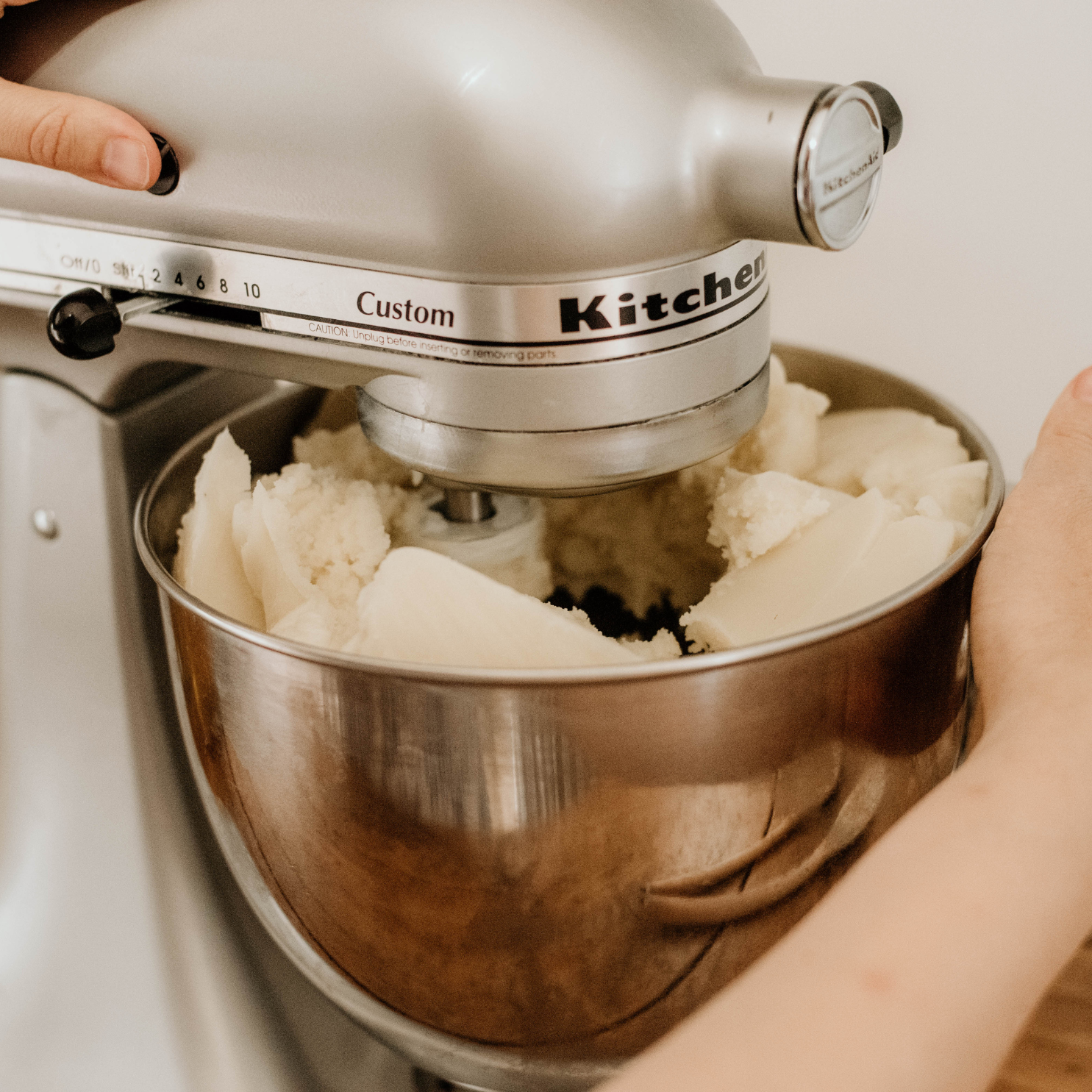
Rendering is the process of gently heating animal fat to separate the fat from the surrounding tissue and other solids. The resulting fat is then separated and, depending on the process, may undergo additional steps to clarify or refine it.
How this process is carried out can make a difference to the final aroma. Research has shown that rendering temperature influences the compounds responsible for the smell of beef tallow. Excessive heating can produce a different aroma profile from more carefully controlled processing.
The handling of the raw material and the removal of residual solids can also influence the result.
This is why two batches of tallow can smell different even when both are made from beef fat.
Does tallow balm have a natural scent?
It can. Even when properly prepared, a natural fat does not necessarily have a completely neutral aroma.
Some tallow has a very faint, almost waxy scent, while other preparations may have a more noticeable animal or fatty aroma. In a finished balm, other ingredients can also influence what you smell.
Essential oils and other aromatic ingredients may contribute their own scent, while the underlying tallow can still have a subtle natural aroma.
A strong, unpleasant or rancid smell, however, should not automatically be dismissed as a normal characteristic of tallow. It can indicate deterioration or a problem with the ingredient or finished product.
Why Is Some Tallow White and Other Tallow Yellow?
One of the first things you might notice when comparing tallow products is their colour. Some are bright white, others are creamy or ivory, and some have a distinctly pale yellow appearance.
Does this mean one is better than the other? Not necessarily.
Diet and natural pigments
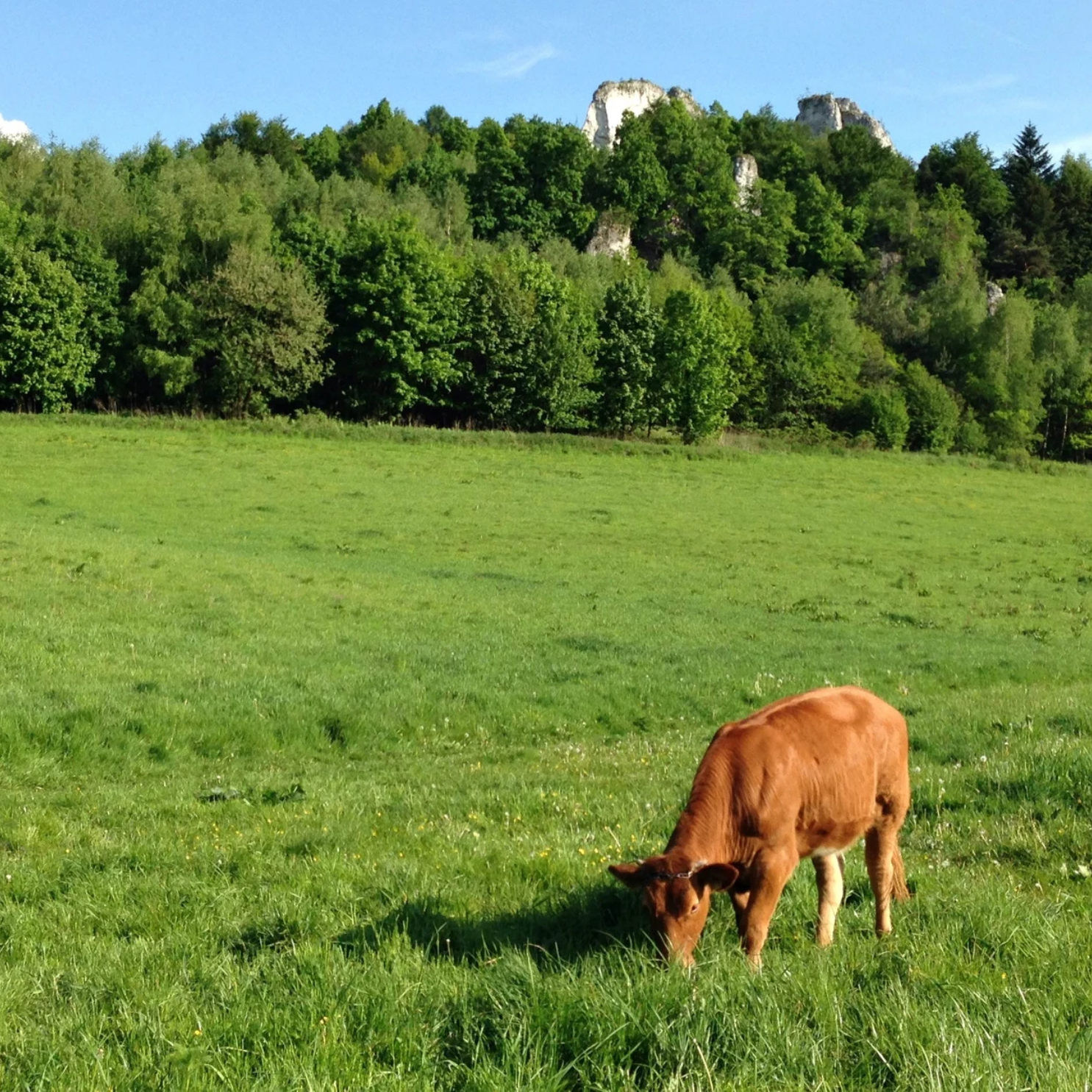
The animal's diet can influence the colour of its fat. Carotenoid pigments found in plant material can contribute to yellow tones, although the final colour also depends on the type of fat and how it has been processed.
The source and composition of the fat matter, too. Different fats from the same animal may not have exactly the same appearance.
Processing can change the colour
Rendering and refining methods can also affect the finished colour. Heating conditions, the presence of residual material and any additional purification steps can all influence how light or dark the resulting tallow appears.
Some refined fats undergo bleaching or other treatments to achieve a more uniform appearance. As a result, a very white product is not automatically superior to one with a creamy or pale yellow colour.
Colour alone is not a reliable measure of quality. It is one characteristic to consider alongside sourcing, processing, storage and the overall quality controls used to produce the ingredient.
Why Does Tallow Sometimes Feel Grainy?
Texture is another characteristic that can surprise people who are new to tallow skincare.
A well formulated tallow balm may feel smooth, creamy and easy to spread. In other circumstances, you might notice small grains or a slightly uneven texture.
This does not necessarily mean something has gone wrong.
The role of fatty acids
Tallow contains a mixture of fatty acids, including stearic, palmitic and oleic acids. Their proportions influence the physical properties of the fat, including its firmness and melting behaviour.
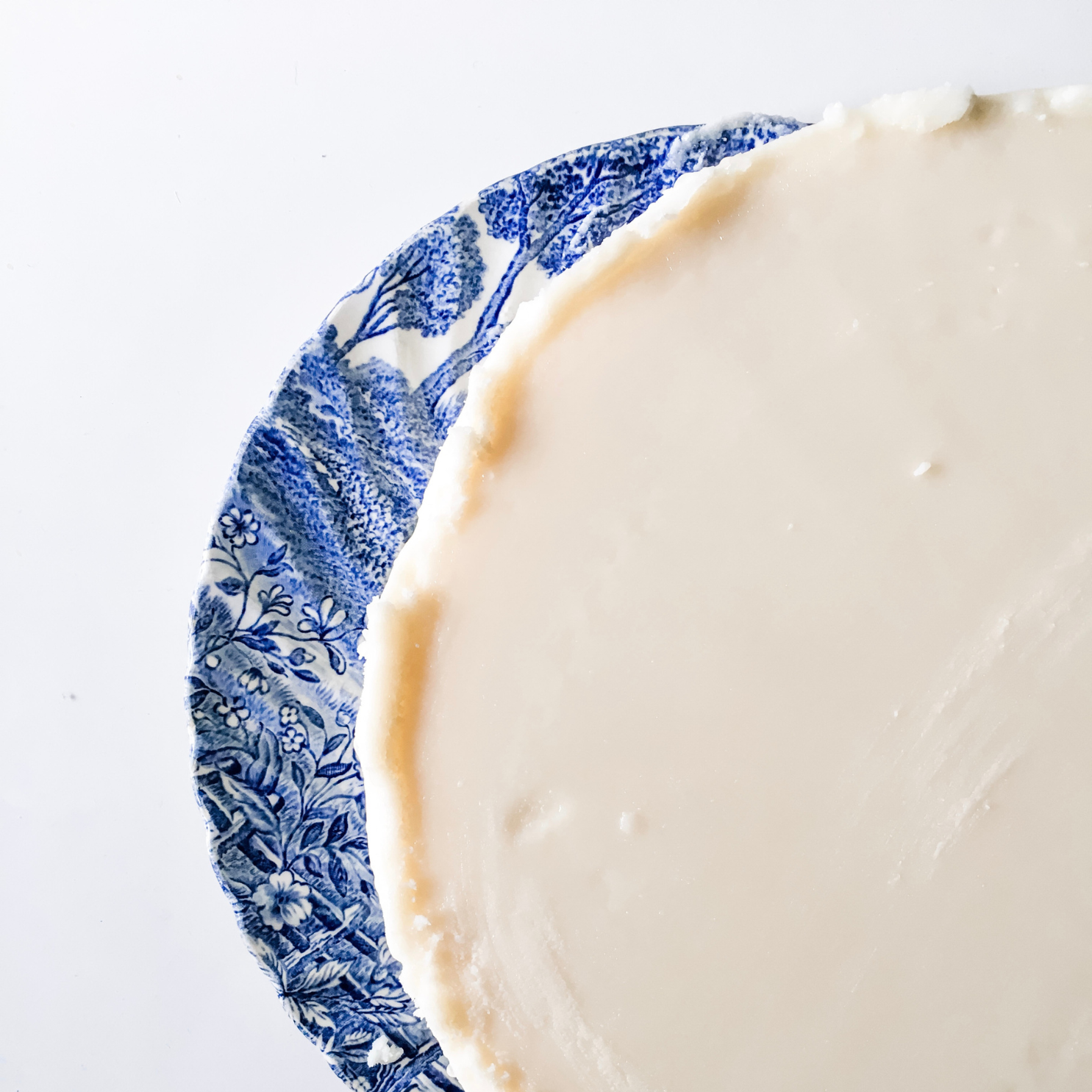
As tallow cools, the fats solidify and form crystals. The way those crystals develop influences the final texture.
If the fat cools unevenly or experiences temperature fluctuations, the crystal structure can change. This can sometimes result in a grainier texture rather than a uniformly smooth balm.
Temperature matters
Think about what happens to a balm when it sits in a warm room, melts partially and then cools again. Its appearance and consistency may change as the fats solidify.
The formulation process also matters. The proportions of tallow and other oils, the cooling process, and the way the ingredients are blended can all affect the finished texture.
This is one reason formulation is about more than simply combining ingredients in a jar. The goal is to create a product with a consistent and pleasant application experience.
If your balm develops an unexpected texture alongside a change in smell, colour or other signs of deterioration, check the manufacturer's guidance before continuing to use it.
How the Finished Balm Differs from Pure Tallow
Tallow is the foundation of a tallow balm, but it is not necessarily the only ingredient.
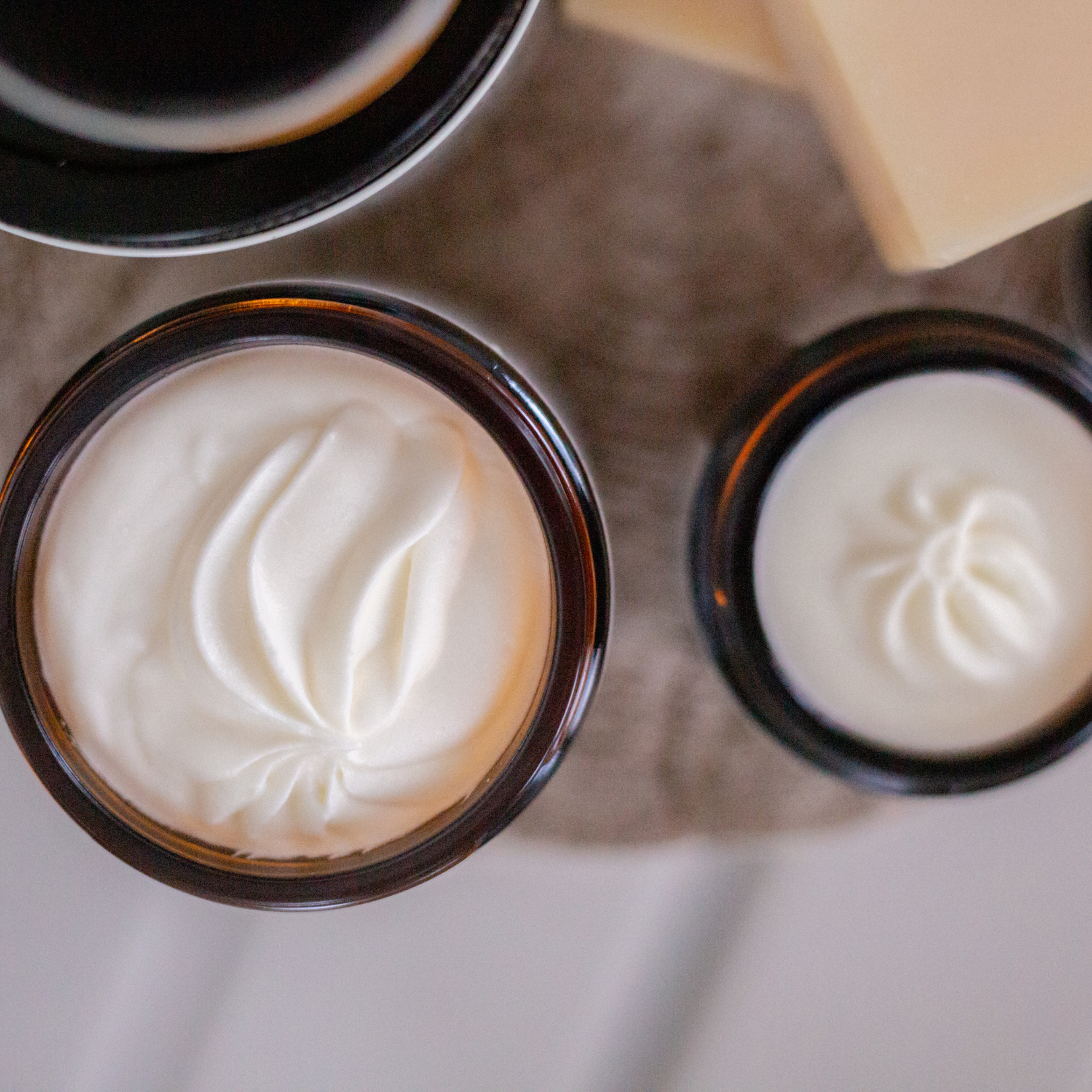
Depending on the formulation, additional oils, botanical ingredients and aromatic ingredients can change the balm's scent, colour, consistency and feel on the skin.
For example, jojoba oil can contribute to the overall feel and spreadability of a balm. Calendula infused oil can introduce a subtle botanical character, while essential oils can contribute fragrance to scented formulations.
The proportions of these ingredients matter, as does the way they are combined.
A balm containing tallow and supporting oils will not necessarily look, smell or feel identical to pure rendered tallow. The finished product has its own characteristics, shaped by the entire formulation.
This is also why comparing two tallow balms based on colour or scent alone can be misleading. They may use different ingredients, different proportions and different formulation methods.
At Two of Earth Tallow, we believe customers should understand what goes into their skincare and why the finished product behaves the way it does. Knowing a little about the ingredients can help you make a more informed choice when selecting a balm for your routine.
How Should You Store Tallow Balm?
Like other skincare products containing fats and oils, tallow balm should be stored according to the manufacturer's instructions.
Heat, light, air exposure and contamination can affect the stability of fats over time. Keeping a product tightly closed and away from unnecessary heat and direct sunlight can help maintain its quality.
A few simple habits can make a difference:
Keep the lid securely closed when the balm is not in use.
Store it in the conditions recommended on the product label.
Use clean, dry hands or a clean applicator when removing balm from the jar.
Pay attention to the product's stated shelf life.
If the balm develops a distinctly rancid or unusual smell, unexpected discolouration or other concerning changes, stop using it and contact the manufacturer.
A change in texture alone does not always mean a product has spoiled, but neither should every change be assumed to be harmless. When in doubt, it is better to check.
Natural Variation and Quality Can Go Hand in Hand
One of the interesting things about working with naturally derived ingredients is that they are not always identical from batch to batch.
Tallow's smell, colour and texture can be influenced by its source, its natural composition, how it is rendered, how it is formulated and how it is stored. These characteristics help explain why tallow is not a completely uniform ingredient.
However, natural variation should not be used as an excuse for poor quality. Appropriate processing, thoughtful formulation, good storage practices and suitable quality controls remain essential.
So, does tallow smell like animal fat?
It can have a subtle natural aroma, but the smell of a finished tallow balm depends on much more than the fact that it comes from an animal fat. The same is true of its colour and texture.
Understanding these differences makes it easier to know what to expect from tallow skincare and to choose products that suit your preferences.
At Two of Earth Tallow, we believe that understanding your ingredients is part of making thoughtful choices about what you put on your skin. We hope this guide has helped take some of the mystery out of tallow and given you a better understanding of the ingredient behind your balm.
